Are you picturing mountain views, lake days, and four-season fun in “North Idaho,” but also hearing great things about Idaho Falls? You are not alone. Many retirees use “North Idaho” as shorthand for the whole state, then discover Idaho Falls sits in Eastern Idaho with a different lifestyle, price point, and medical network. In this guide, you will compare both options side by side, understand costs, healthcare, climate, housing choices, and build a simple plan to test the fit. Let’s dive in.
North Idaho vs. Idaho Falls at a glance
If you mean North Idaho
- Lifestyle: Resort-oriented with lakefront living, boating, and ski resorts nearby. Visitor traffic is seasonal in Coeur d’Alene and Sandpoint.
- Price context: Lake and golf communities often carry higher median prices and limited inventory, especially near Coeur d’Alene and Hayden Lake.
- Healthcare anchor: Coeur d’Alene’s regional referral hub is Kootenai Health.
- Travel: Spokane International Airport is the main long-haul hub for the Panhandle.
- Recreation: Lake life, shoreline trails, and multiple ski areas nearby.
If you mean Idaho Falls and Eastern Idaho
- Lifestyle: Inland hub city with the Snake River Greenbelt, fishing, and easy access to Jackson Hole, Grand Teton, and Yellowstone.
- Price context: Typical home values often fall in the mid-to-upper $300Ks to low $400Ks as of late 2025, depending on neighborhood and property type.
- Healthcare anchor: Eastern Idaho Regional Medical Center (EIRMC) is the region’s largest acute-care facility and referral hospital.
- Travel: Idaho Falls Regional Airport (IDA) provides commercial service. Salt Lake City and Spokane offer wider connections.
- Recreation: Four-season base with frequent day and weekend trips to the Tetons and surrounding public lands.
Idaho Falls is also the commerce and services hub for Eastern Idaho, drawing visitors from nearby counties and parts of Wyoming and Montana. That can be a plus when you want close access to shopping, dining, and care without big-city congestion.
Housing options that fit retirement
Low-maintenance and walkable
If you want a lock-and-leave lifestyle with trails and dining nearby, explore mixed-use areas like Snake River Landing. You will find apartments, condominiums, townhomes, and senior apartments with river access and pedestrian-friendly streets. Ask about HOA fees and inclusions, pet rules, garage and storage options, and who handles snow removal and landscaping. These details drive your true monthly cost and your day-to-day convenience.
Golf-course living
Golf-adjacent neighborhoods around the Idaho Falls Country Club offer larger homes and course views with the social scene many retirees enjoy. Many homes nearby do not have a mandatory HOA, though you will want to budget for optional private club dues if you plan to join. Compare single-level plans and lot maintenance needs, then weigh membership benefits against homeownership costs to see what truly fits your lifestyle.
Lakefront and resort living
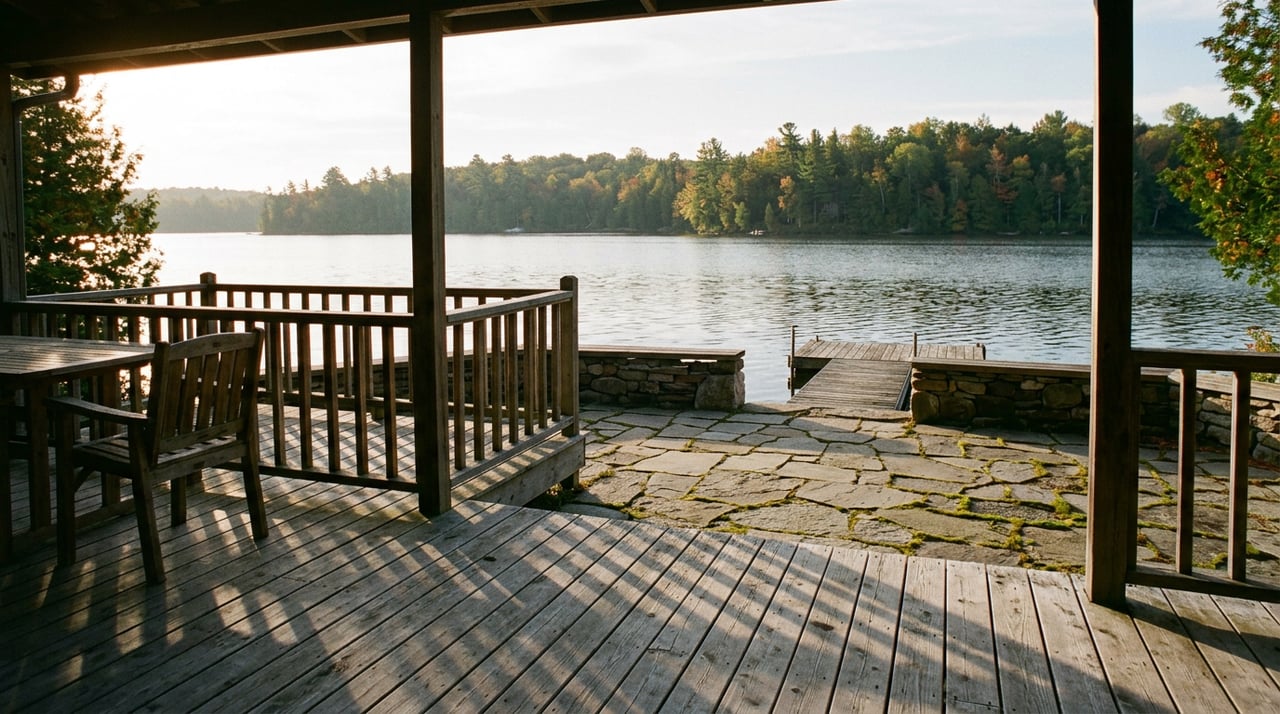
If your vision is a dock, a boat, and evening cruises, that is classic North Idaho. Coeur d’Alene, Hayden Lake, and Sandpoint often see higher median prices, limited inventory, and seasonal demand that can move quickly. Lakefront also adds considerations such as shoreline rules, dock maintenance, insurance, and winterization. If this is your dream, plan extra time for tours in peak season and be ready with clear priorities on frontage, water depth, and boat access.
55+, assisted, and continuing care
Idaho Falls has independent-living apartments, assisted-living, memory care, and a modest number of continuing-care campuses. Communities may have waitlists. Visit in person, ask for a full list of on-site services, and review contract types carefully. To get a sense of local availability, start with directories that list options across the city and county. Verify services such as meals, transportation, and levels of care so you know how needs can be met over time.
Healthcare and support services
For many retirees, proximity to advanced medical care is non-negotiable. Idaho Falls is anchored by Eastern Idaho Regional Medical Center, the largest acute-care and referral hospital in the region. EIRMC highlights specialized services including Level II trauma, a burn center, cardiac surgery, and a pediatric ICU. That depth can add peace of mind if you want close access to specialized care.
If your search centers on the Idaho Panhandle, your regional hub is Kootenai Health in Coeur d’Alene. It serves the North Idaho region with a growing network of clinics and hospital services.
Veterans will find the Idaho Falls VA Clinic for primary and outpatient care. Eastern Idaho’s Area VI Agency on Aging, through EICAP, provides in-home services, caregiver support, home-delivered meals, and transportation. Explore programs and eligibility at EICAP’s senior services.
Practical tip: Call ahead to confirm whether your preferred primary-care practice accepts your Medicare or Medicare Advantage plan. If you rely on specific specialists, ask about in-network options and typical hospital transfer patterns.
Travel and access
Idaho Falls Regional Airport (IDA) offers scheduled commercial service and is the main gateway for Eastern Idaho. For many long-haul trips, you will connect through Salt Lake City or Spokane. If you split time between regions, the drive from Idaho Falls to Coeur d’Alene typically runs 6 to 8 hours depending on route and weather, so a move between these areas changes travel patterns. On the other hand, Idaho Falls sits about 1.5 to 2 hours from Jackson Hole and the Teton corridor, which is ideal if you want frequent mountain days. To map flight options and routes, check the Idaho Falls airport guide.
Climate and seasons
Idaho Falls delivers a true four-season climate. Expect cold, snowy winters and hot, low-humidity summers. If winter driving or heating budgets are a concern, review long-term climate normals and average snowfall for Idaho Falls and plan an off-season visit to see conditions firsthand. You can explore climate summaries for typical temperatures and precipitation to understand how the seasons will feel where you live.
Costs, taxes, and budgeting
- State income tax: Idaho reduced individual income tax rates in 2025 to a headline 5.3 percent. If you draw retirement income from multiple sources, confirm how your situation is taxed and how Medicare or Medicaid interacts with your plan. A local tax advisor can help. See a news summary of the change to HB 40 for context: Idaho income tax reduction overview.
- Property taxes and senior relief: Idaho’s Property Tax Reduction program can lower property taxes for qualifying seniors and disabled residents. Program rules, income thresholds, and savings amounts change over time. For Bonneville County administration and contact details, visit the Bonneville County Assessor and ask about current forms, deadlines, and eligibility.
- Insurance and utilities: Insurance costs vary widely by property type and location. Lakefront homes and forested lots can add costs for specialized coverage. Build a conservative budget for heating and maintenance, and request quotes from at least two local insurers for an apples-to-apples comparison.
Your step-by-step plan
Follow these steps to test fit and move forward confidently:
- Plan two scouting trips
- Book a 3 to 5 day visit for daytime and evening feel, plus a separate winter visit to experience road and weather conditions.
- List likely airports and flight patterns. For Eastern Idaho, review the Idaho Falls airport guide and typical connections.
- Confirm your healthcare match
- Identify primary-care practices and ask if they accept your Medicare or Medicare Advantage plan.
- Verify local specialty care and hospital transfer patterns at EIRMC if you lean Eastern Idaho, or at Kootenai Health if you lean North Idaho.
- Right-size your housing
- Decide on single-floor versus multi-level living and your tolerance for exterior maintenance.
- If you want walkability, review mixed-use options such as Snake River Landing, then compare HOA services and fees line by line.
- Build a full monthly number
- Add list price, property taxes, HOA dues, insurance, and a conservative utilities and maintenance figure.
- Request quotes from at least two local insurers and clarify snow removal and landscaping responsibilities in writing.
- Plan for long-term care
- Tour independent-living, assisted-living, and memory-care communities. Ask about contract types, on-site services, and waitlists.
- Use local directories to locate options across the county and verify details directly with each community.
- Timing and contingencies
- If you are selling a long-time home, allow a 6 to 12 month buffer to align market timing, tax-year planning, and medical continuity.
- Keep a short list of temporary housing options in case closing timelines shift.
Ready to explore your options?
Whether your heart is set on lake life in the Panhandle or a low-maintenance base in Idaho Falls with quick Teton access, you deserve a clear, calm plan. If you want a personalized shortlist of neighborhoods, a realistic budget, and introductions to trusted local pros, reach out to Stacey Leech. You will get concierge-level guidance tailored to your lifestyle, timeline, and budget so you can move into retirement with confidence.
FAQs
What is the main difference between North Idaho and Idaho Falls for retirees?
- North Idaho centers on lakefront and resort living with seasonal visitor traffic, while Idaho Falls is an inland hub city with easier access to the Tetons and a regional referral hospital in town. Each offers a distinct lifestyle and cost profile.
How do home prices compare between Idaho Falls and Coeur d’Alene?
- Idaho Falls often shows typical values in the mid-to-upper $300Ks to low $400Ks as of late 2025, while Coeur d’Alene and other lake communities commonly trend higher due to limited waterfront inventory and resort demand.
Which hospitals anchor care in each region?
- Idaho Falls is served by Eastern Idaho Regional Medical Center, a regional referral center. North Idaho is anchored by Kootenai Health in Coeur d’Alene.
Does Idaho tax retirement income and are there senior property tax breaks?
- Idaho’s individual income tax rate moved to 5.3 percent in 2025; consult a tax advisor for how it applies to your income mix. For property tax relief, ask the Bonneville County Assessor about the statewide Property Tax Reduction program and current eligibility.
What is winter like in Idaho Falls and how should I plan?
- Winters are cold with snow, and summers are warm with low humidity. Budget for heating and consider a winter visit to test driving conditions. Review climate summaries to understand seasonal averages.
What travel options will my family use to visit me?
- For Idaho Falls, the local hub is IDA with common connections through Salt Lake City and Spokane. If you choose the Panhandle, Spokane International Airport is the primary long-haul airport. You can compare flight options using the Idaho Falls airport guide, and note that the drive to Coeur d’Alene from Idaho Falls is typically 6 to 8 hours.