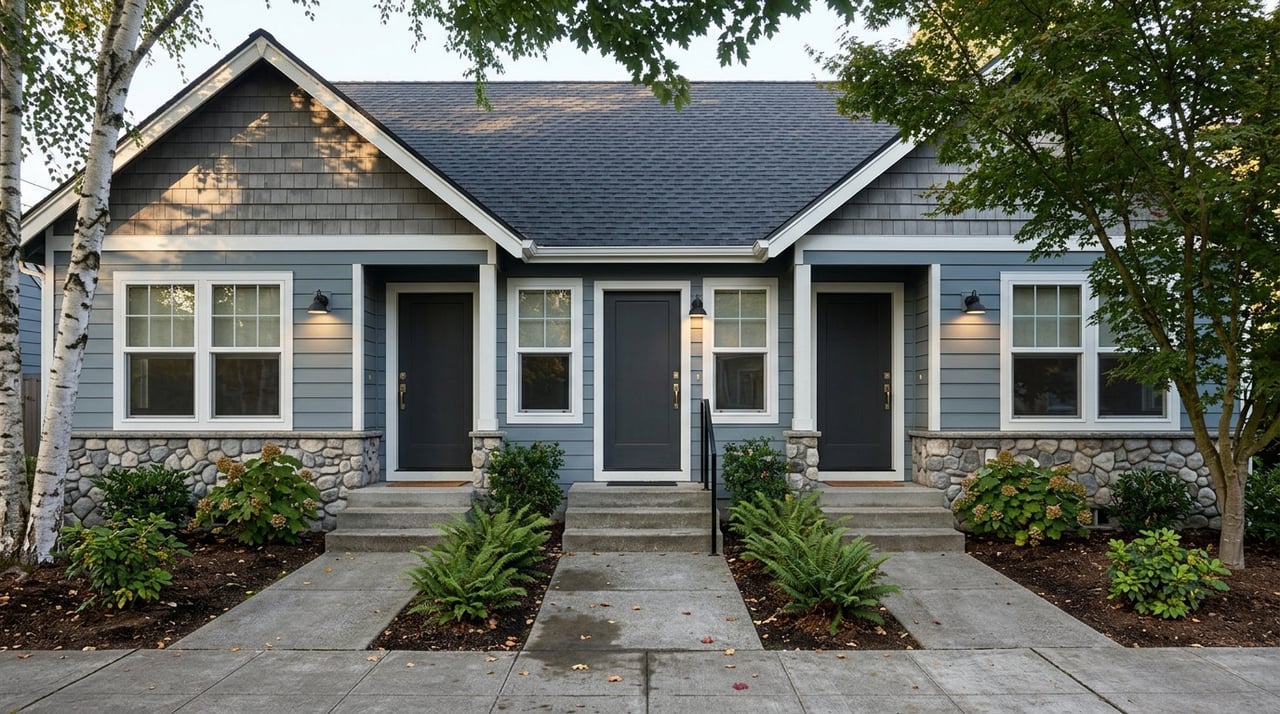
Thinking about buying a duplex or triplex in Spokane? You are not alone. For many buyers, a small multifamily property can offer a smart mix of homeownership and rental income, but it also comes with rules, financing details, and property issues that are easy to underestimate. This guide will walk you through what to know before you buy in Spokane, from zoning and loan basics to inspections and rental compliance, so you can move forward with more clarity and confidence. Let’s dive in.
Why Spokane draws duplex buyers
Spokane has a solid base of both homeowners and renters, which helps explain why duplexes and triplexes stay on many buyers’ radar. According to the U.S. Census QuickFacts for Spokane, the city had an estimated population of 230,609 in 2024, 97,446 households, a 58.8% owner-occupied housing rate, and a median gross rent of $1,215.
That local housing mix matters when you are considering a small multifamily property. The same Census data shows that single-family detached homes make up 69% of Spokane’s housing inventory, while duplexes, triplexes, and other small properties with fewer than five units account for just 9%. In simple terms, there is rental demand, but smaller multifamily options are still a limited part of the market.
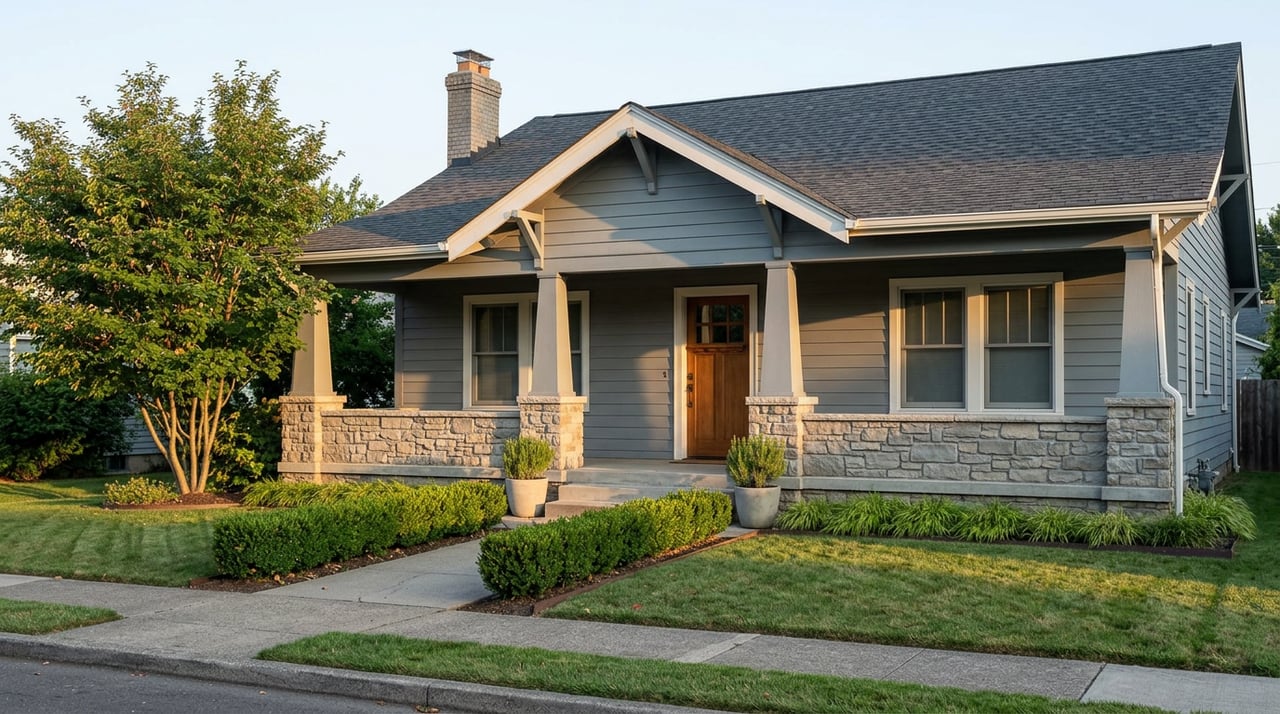
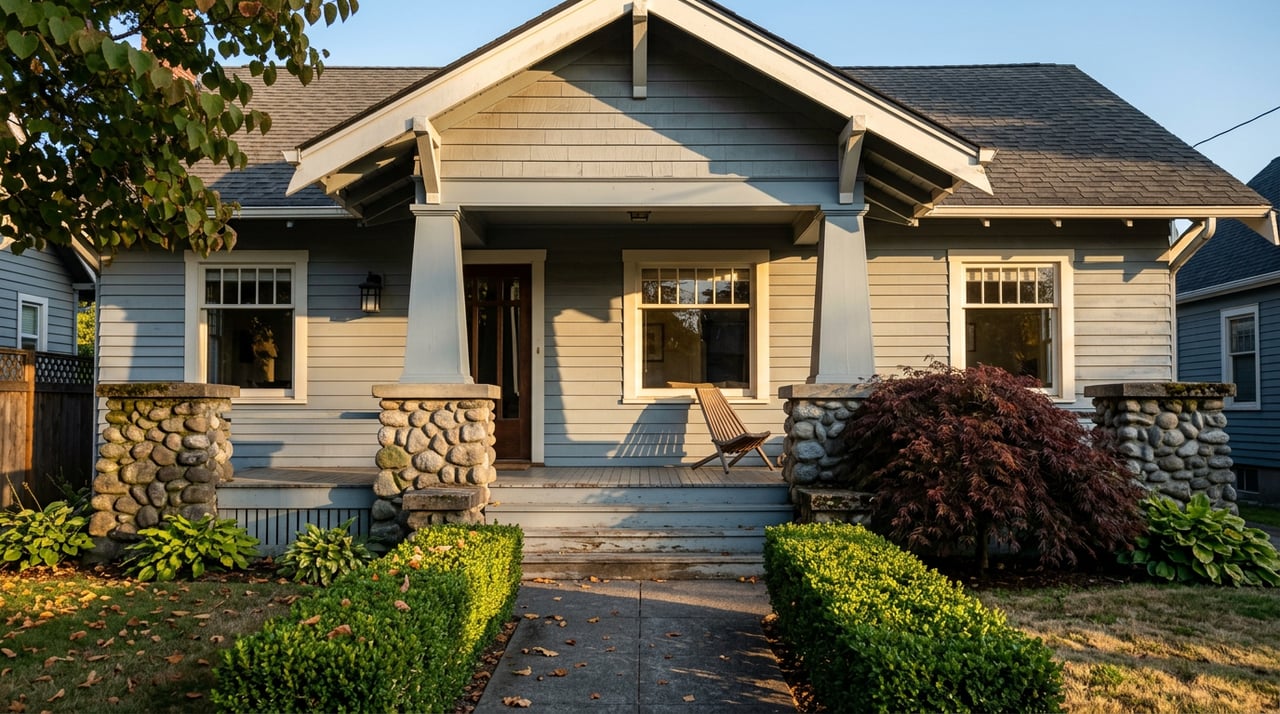
Spokane has also identified duplexes, triplexes, and similar house-scale buildings as part of its “missing middle” housing. The city notes that many of these homes were built before 1940 and are found in neighborhoods across Spokane, often in areas connected to walkability, local retail, and public transportation. That means the location you choose can have a major effect on both your lifestyle and the property’s long-term function.
What buying a duplex or triplex can offer
For some buyers, a duplex or triplex creates flexibility that a single-family home cannot. If you plan to live in one unit, the other unit or units may help offset your monthly housing cost, depending on your financing and rental setup.
For others, the appeal is future planning. A small multifamily property may support multigenerational living, provide room for a later move, or offer a path into real estate ownership with income potential. The right fit depends on your goals, your budget, and how comfortable you are with the added responsibilities that come with rental property ownership.
Spokane zoning matters more than many buyers expect
Not every parcel in Spokane is automatically a fit for a duplex or triplex. Spokane’s zoning code defines middle housing as residential development with two or more attached, stacked, or clustered dwelling units, and it specifically includes duplexes and triplexes in that category.
According to the city’s zoning definitions, middle housing is permitted in R1, R2, RMF, and RHD zones, but not in RA zones. That is an important reminder that even within city limits, parcel-level zoning still needs to be verified before you count on a property for current use or future changes.
Spokane also adopted Building Opportunity for Housing, with changes effective January 1, 2024. Those updates removed parking requirements for residential uses within one-half mile of a transit stop, reduced lot-size minimums, removed lot-density maximums on lots under two acres, and expanded the unit-lot subdivision process.
These updates may create opportunity, but they do not replace due diligence. If you are buying with plans to convert, add units, or split a lot later, it is wise to confirm current zoning and development standards before making assumptions. Spokane is still updating broader plans through PlanSpokane 2046 and BUILDSpokane in 2026, so rules may continue to evolve.
Financing works differently for 2- to 4-unit homes
One of the biggest surprises for buyers is that duplexes and triplexes are not underwritten exactly like single-family homes. Lenders often evaluate them more like income-producing properties, especially when rental income is part of your qualification.
Fannie Mae states that the income approach is required for two- to four-unit property valuations, and rental data may be central to the appraisal when there is a substantial rental market. Fannie Mae also notes that when lease-based or market-rent documentation is used, gross monthly rent is typically multiplied by 75% for qualifying, with the remaining 25% treated as a vacancy and maintenance allowance.
That means you may be able to use some rental income to help qualify, but you should not assume every lender will evaluate it the same way. Fannie Mae’s rental-income guidance shows that two- to four-unit purchases often require more documentation, including appraisal support, current leases, and separate rent amounts by unit.
Freddie Mac also allows rental income from other units on a 2- to 4-unit primary residence under certain guidelines. In practice, this is why it helps to shop lenders early, compare loan programs, and ask detailed questions about underwriting overlays before you fall in love with a property.
FHA can expand your options
If a lower down payment is important, FHA financing may be worth exploring. According to HUD’s FHA loan overview, FHA-insured financing is available for one- to four-unit properties, with down payments as low as 3.5%.
The tradeoff is that the property still needs to meet FHA condition standards. HUD emphasizes structural soundness, safety, and livability, so a duplex or triplex with deferred maintenance may not be as straightforward for FHA financing as a cleaner, better-maintained property.
Inspections deserve extra attention
A duplex or triplex inspection should go beyond the mindset of a typical single-family purchase. Even if the property looks manageable at first glance, you are evaluating multiple living spaces, more systems, and often older construction.
The U.S. Department of Veterans Affairs explains that an appraisal is not the same as a private inspection. Appraisers are focused on minimum property requirements like safety, sanitation, and structural soundness, not a full review of every system and maintenance item.
That distinction matters in Spokane, where many small multifamily properties are part of the city’s older housing stock. Buyers should pay close attention to major systems and building condition, including:
- Roof age and condition
- Plumbing and sewer concerns
- Electrical service and panel updates
- Heating systems
- Moisture or drainage issues
- Pest activity
- Separation between units and overall livability
A thorough inspection can help you understand near-term repair costs and whether the property’s income potential lines up with its actual condition.
Rental rules and compliance are part of the deal
If you plan to rent out part or all of the property long term, Spokane has compliance steps you need to build into your plan. The city states that landlords, property managers, and property-owner agents must register long-term rental properties and have a business license.
Spokane also conducts cause-based and periodic or proactive rental inspections. The city says ordinance updates prohibit evictions and rent increases at rental properties that have not registered, which makes compliance more than just a paperwork issue.
The city’s human-rights code also applies to housing transactions and rental activity. That is a good reason to use careful, fair-housing-compliant screening and advertising practices if you will be operating the property as a landlord.
State rent rules affect your cash flow assumptions
When you run numbers on a duplex or triplex, make sure they reflect current Washington law. According to the Washington State Attorney General’s landlord-tenant guidance, the state’s rent-stabilization law took effect on May 7, 2025.
The law limits annual rent increases to 10% or 7% plus CPI, whichever is less, requires at least 90 days’ written notice, and bars rent increases during the first 12 months of tenancy. The Attorney General also states that the maximum annual increase allowed for 2026 is 9.683%.
For buyers, the takeaway is simple. You should not project future rent growth based on older assumptions or informal market talk. Your underwriting should reflect current legal limits and the property’s real operating costs.
Do not overlook property taxes
Property taxes can have a meaningful impact on your monthly payment and long-term returns. Spokane County explains that property taxes are based on assessed value and taxing district budgets, with bills calculated at the end of the calendar year for the following year’s taxes.
For a duplex or triplex, it is important to review the specific parcel history instead of relying on rough estimates. Tax costs can vary, and even a modest difference can change how comfortable the payment feels month to month.
A smart buying strategy for Spokane small multifamily
If you are serious about buying a duplex or triplex in Spokane, it helps to approach the search with a clear checklist. These properties can create real opportunity, but the best outcomes usually come from strong preparation, not guesswork.
Here are a few smart first steps:
- Define your goal early. Decide whether you want to owner-occupy, hold as a long-term rental, or buy with future flexibility in mind.
- Talk with lenders upfront. Ask how rental income may be treated for a two- to four-unit property and what documentation will be required.
- Verify zoning before you commit. Confirm the parcel’s zoning and whether your intended use aligns with current city rules.
- Review rental compliance requirements. Understand Spokane’s registration, licensing, and inspection rules if you plan to rent units long term.
- Budget for condition and maintenance. Older small multifamily homes may need more repairs and reserves than a typical detached house.
- Check taxes and operating costs carefully. Look at the actual parcel history and avoid relying on broad market averages.
A duplex or triplex can be a smart move in Spokane, but only if the numbers, condition, and legal use all line up with your plan.
If you are weighing your options in Spokane or anywhere along the Coeur d’Alene-Spokane corridor, working with an agent who understands both lifestyle goals and complex property details can make the process much smoother. When you are ready for organized, local guidance, connect with Stacey Leech to talk through your next move.
FAQs
Can I use rental income to qualify for a Spokane duplex or triplex?
- Sometimes yes. Loan programs for two- to four-unit properties may allow rental income, but the lender usually requires specific documentation and may only count a portion of the projected or documented rent.
Does every Spokane property allow a duplex or triplex?
- No. Spokane zoning still matters at the parcel level, and middle housing is permitted in some residential zones but not all.
Do Spokane long-term rentals need to be registered?
- Yes. The city says long-term rental properties must be registered and have a business license, and they may also be subject to rental inspections.
Is an appraisal enough when buying a Spokane duplex or triplex?
- No. An appraisal is different from a private inspection, and a full inspection is especially important for older small multifamily properties.
Are rent increases capped for Washington duplex and triplex owners?
- Yes. Washington’s rent-stabilization law limits annual rent increases and sets notice requirements, so buyers should factor those rules into cash flow planning.