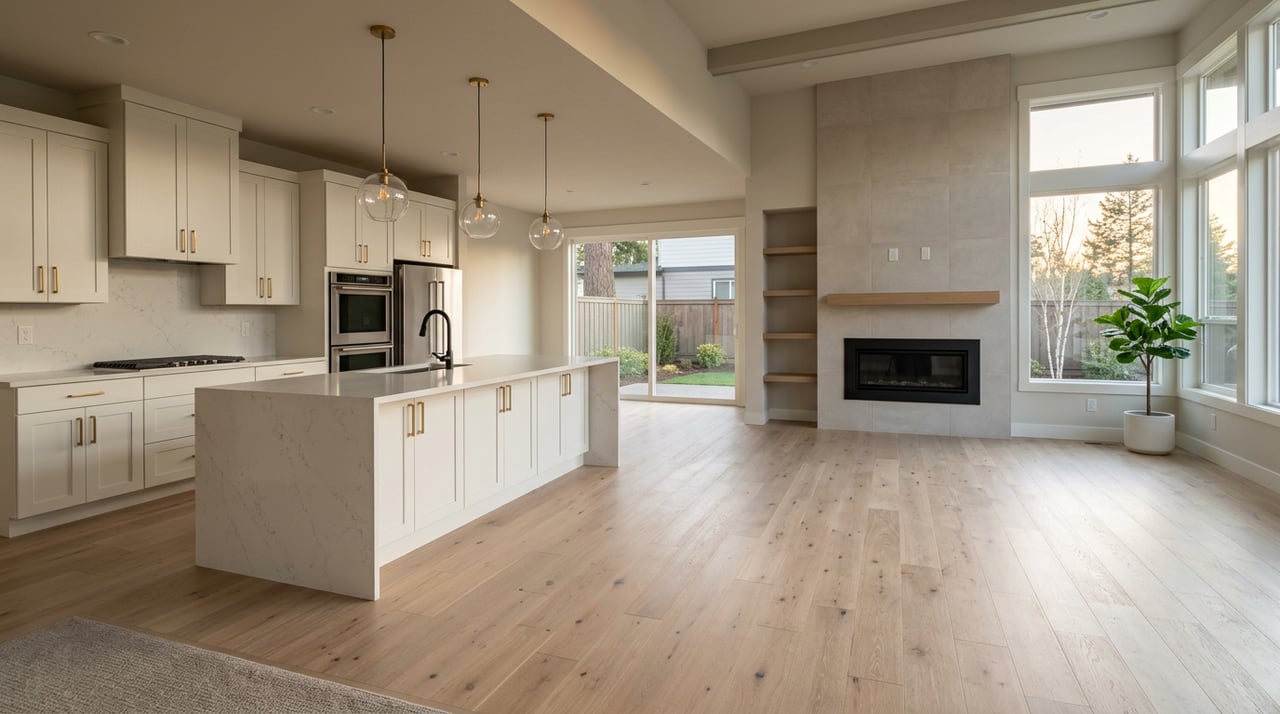
Thinking about a new build near Spokane but not sure where to start? You are not alone. Between floorplans, lots, builder contracts, and shifting timelines, it can feel like a maze. In this guide, you will learn how new construction works in Liberty Lake, Spokane Valley, and Mead, what to look for at every step, and how to protect your budget and peace of mind. Let’s dive in.
Why build near Spokane now
The Spokane area’s new-home market remains active, even as permit activity and construction values have fluctuated. Local reporting notes a drop in city permit values in 2025 compared with 2024, a sign of a slower but still moving market that is sensitive to fees and material cycles. You can read more about the trends in the region in this coverage of permit values and activity in 2025 from the Spokane Journal of Business. Local permit values shifted in 2025.
Even with shifts, Spokane REALTORS report ongoing new-home closings and an average new-construction sales price for 2025, which helps set buyer expectations on budget and product mix. See their market activity report for context on volume and prices. Spokane REALTORS market activity report.
Location-wise, Liberty Lake and Spokane Valley offer planned communities from regional and national builders, while Mead’s north Spokane setting often features larger lots in county jurisdictions. Fee structures and impact charges can influence where builders choose to build and how they price lots. Local press has tracked how changes to permit and impact costs affect supply and lot premiums. Spokane builders facing increased permit costs.
How the process works
Tour models and study the site map
Start with model homes and community maps. Ask about standard features versus upgrades, review the phase map and future amenities, and study lot orientation, topography, and nearby plans. This is also when you should register as a represented buyer if you have an agent. For an example of how builders present floorplans and site details, explore a Spokane Valley community listing that shows plan features and community context. See a sample plan page and site details.
Reserve a lot and review the builder contract
When you are ready to move forward, you will sign the builder’s purchase agreement and place a deposit. Builder contracts are different from typical resale forms. They set deposit rules, allowances, change-order processes, timelines, and remedies if a delay occurs. In our region, brokers use Spokane REALTORS forms and addenda tailored for new construction, including buyer-representation agreements and New Construction or Conversion addenda. Review Spokane REALTORS guidance on new construction forms.
Key items to confirm in writing:
- How deposits and earnest money are held and applied.
- What is considered a standard feature versus an upgrade, plus pricing and deadlines for selections.
- Change-order rules, deadlines, and fees.
- Completion, closing, and possession timelines.
- Warranty coverage and claim procedures.
Permitting, utilities, and local fees
After contract, your home will move through city or county permits and utility connections. Who pays what, and when, varies by jurisdiction and builder. Ask for a written breakdown of water and sewer connection fees, transportation impact fees, and any general facilities charges. If you want to see where and when permits are issued in the City of Spokane, the permit map is a helpful tool. Check Spokane’s permit map.
Build milestones and independent inspections
Construction usually follows predictable phases: site prep and foundation, framing and roof, mechanical rough-ins, pre-drywall inspection window, insulation and drywall, finishes, and final walk. Weather, material lead times, and inspections can shift timelines. Plan for two independent inspections at a minimum, and ideally three:
- Pre-drywall inspection to review framing and rough-ins before walls are closed. What a phase inspection covers.
- Final inspection before or at the final walk to build a thorough punch list.
- 11-month warranty inspection to capture items before the initial warranty period ends. Why the 11-month check matters.
Closing and first-year service
You will sign closing documents, receive keys, and begin the short-term warranty period. Most reputable builders use a tiered warranty program that covers workmanship, systems, and structure for specified periods. Keep warranty documents handy, log requests in writing, and calendar your 11-month inspection.
Timeline expectations in Spokane
Build time varies by builder, product type, and permit pipeline. National guidance suggests many production homes complete in roughly 6 to 12 months, while custom builds take longer. In a market like Spokane, permit variability and fee changes can affect when lots start and how crews are scheduled, so keep some flexibility in your plan. Typical build times and what affects them.
Contracts and representation
Who represents whom
The on-site sales representative works for the builder. You can and should have your own buyer’s agent to help you compare communities, review the contract, negotiate upgrades or incentives, and coordinate inspections. Locally, buyer representation agreements and new-construction addenda are standard tools. See Spokane REALTORS form guidance.
Deposits, upgrades, and incentives
Builder purchase agreements outline how deposits are handled, where funds are held, and what happens if timelines shift. Ask for deposit terms in writing and confirm cancellation and remedy clauses. Many builders offer incentives, often tied to a preferred lender or title provider. Compare the incentive against rates, fees, and credits from another lender so you can make an informed choice.
Inspections and warranties
Your inspection plan
- Pre-drywall: Catch issues while everything is open. Coordinate access and timing with the builder in writing. Pre-drywall scope and timing.
- Final inspection: Build your punch list before you sign.
- 11-month warranty inspection: Use it to request covered fixes in time. Warranty timelines and tips.
What warranties usually cover
Many builders provide a tiered warranty that resembles 1 year for workmanship and materials, 2 years for major systems, and 10 years of limited structural coverage. Coverage varies by builder, so read the document carefully. Note claim deadlines, what is excluded, and whether coverage is backed by a third party. Keep copies of your punch lists and communication.
Lot selection and smart upgrades
Pick the right lot
Your micro-location can matter more for resale than certain interior finishes. Evaluate:
- Lot position and shape, including corner, cul-de-sac, or interior.
- Orientation and sun exposure, especially for snow and seasonal light.
- Elevation and drainage.
- Distance to planned amenities and future phases.
- Nearby easements or utility boxes.
Builders often price premiums for preferred lots. An experienced local agent can help weigh the premium against market demand.
What to upgrade now versus later
Upgrades that are difficult or disruptive to add later are usually best to handle during construction:
- Structural changes that are allowed by the builder’s plan set.
- Window and door packages that improve light and energy performance.
- Insulation levels or higher-efficiency HVAC, where available.
- Electrical and low-voltage wiring for future tech and lighting.
Cosmetic items can often be handled later, potentially at a lower cost if you shop the local market. These include some lighting fixtures, cabinet hardware, paint, and certain countertops. Ask the builder for itemized upgrade pricing and compare to retail bids before deciding.
Budgeting and total cost of ownership
As you set your monthly budget, include more than principal and interest. Plan for:
- Property taxes. Review current assessor data for the specific parcel when available.
- HOA dues, if applicable, and any community transfer fees.
- Homeowner’s insurance.
- Utilities and expected energy costs. Newer homes often include code-level efficiency.
- A maintenance reserve for landscaping, snow, and normal wear.
If you are a first-time buyer, explore whether state or local down payment assistance fits your plan. Many buyers also weigh builder credits for rate buydowns against quotes from competing lenders. Your agent can help you model the total monthly impact.
Local checks that protect you
- Verify permit status and timing for your lot and phase so you can set realistic expectations. For City of Spokane projects, the online permit map is useful. Use the Spokane permit map.
- Confirm contractor registration and bonding in Washington. You can search the state database for registration and surety information. Verify a contractor with WA L&I.
- Ask the builder for a written breakdown of pass-through municipal fees and lot premiums. Local reporting has highlighted how changes to impact and permit costs can affect pricing and supply. Read about fee impacts in Spokane.
Quick buyer checklist
- Visit models, review site and floorplan maps, and register with your agent.
- Compare standard features to upgrade lists, with itemized pricing.
- Select your lot and confirm any premiums and views in writing.
- Review the builder contract and addenda with your agent before signing.
- Clarify deposit terms, change-order deadlines, and completion windows.
- Map your inspection plan: pre-drywall, final, and 11-month.
- Save warranty documents and set calendar reminders for key dates.
- Confirm utility, permit, and impact fee responsibilities for your lot.
Ready to explore new construction in Liberty Lake, Spokane Valley, or Mead with clarity and confidence? From lot selection to contract review and inspections, you deserve calm, organized guidance that fits your life. Reach out to Stacey Leech to start a tailored plan for your new build.
FAQs
Do I need my own agent for a new build near Spokane?
- Yes. The on-site rep works for the builder. A dedicated buyer’s agent reviews the contract, helps you compare incentives and upgrades, and coordinates inspections using local new-construction forms and addenda.
How long does it take to build in Liberty Lake, Spokane Valley, or Mead?
- Many production homes finish in roughly 6 to 12 months, but timing depends on permits, weather, and materials. Build in flexibility for municipal review and crew scheduling.
Should I get inspections on a brand-new home?
- Yes. At minimum schedule a final inspection, and strongly consider a pre-drywall and an 11-month warranty inspection to catch concealed or time-based warranty items.
What warranties do Spokane-area builders typically provide?
- Many offer tiered coverage that resembles 1 year for workmanship, 2 years for major systems, and 10 years of limited structural coverage. Always read the specific warranty terms and claim procedures.
What extra local costs should I budget for on a new build?
- Plan for any lot premiums, HOA dues, and pass-through municipal fees like impact or connection charges. Ask for a written lot-specific fee breakdown before you sign.
How can I check permit status for a project or lot?
- Confirm with the builder and, for City of Spokane sites, review the online permit map. It helps you set realistic expectations for start dates and inspections.