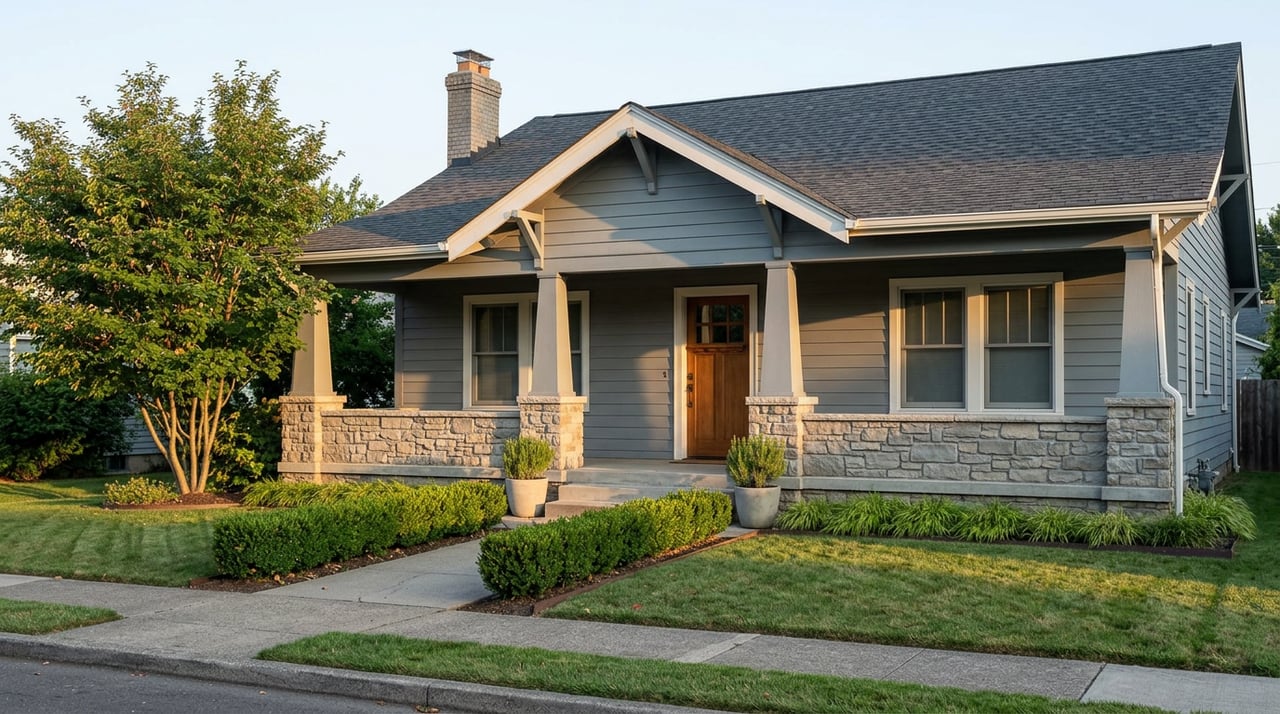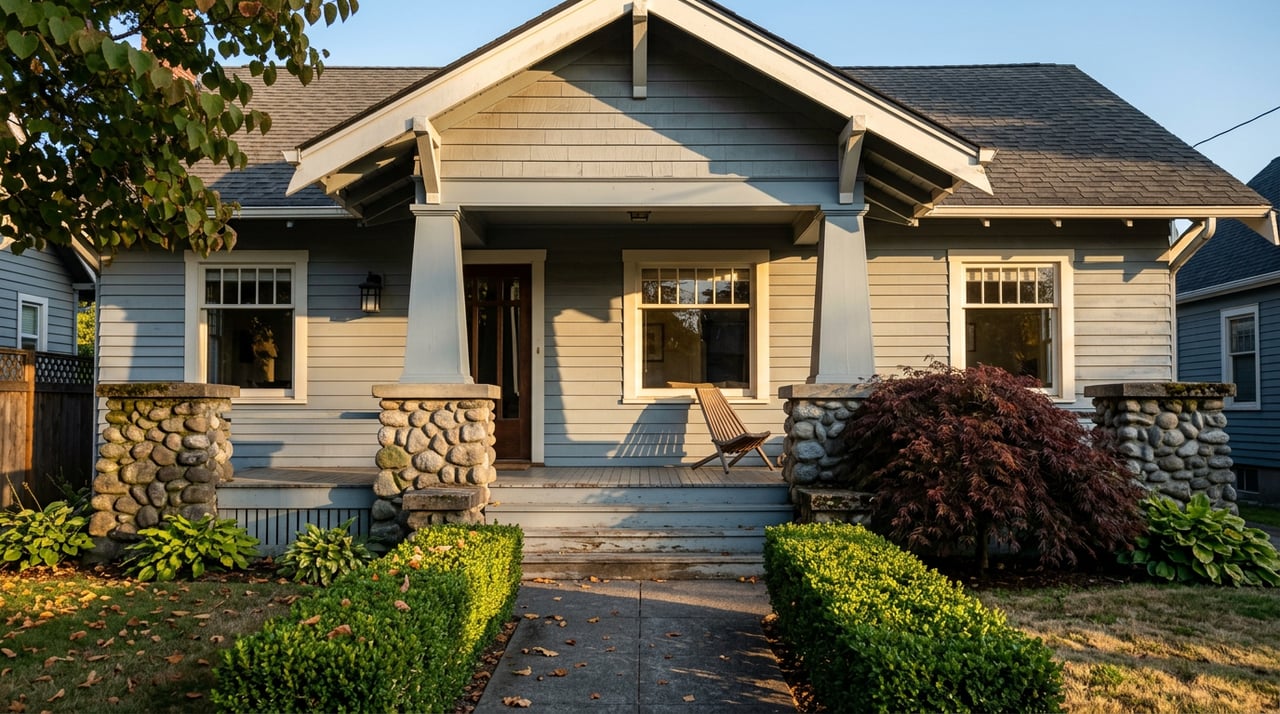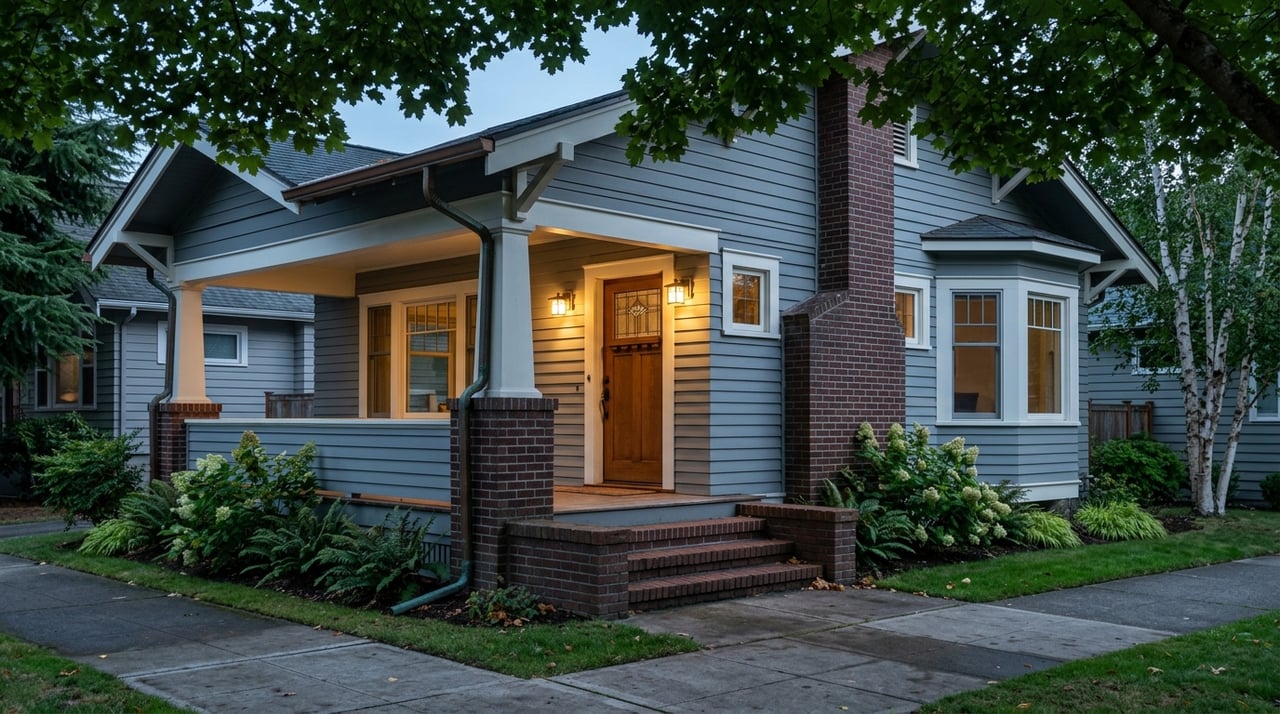
Curious which Spokane neighborhoods deliver the most classic in-town character? If you love the idea of tree-lined streets, historic homes, nearby parks, and local spots you can reach without a long drive, Spokane has several standout areas worth knowing. Whether you are planning a move, narrowing your home search, or simply learning the city’s layout, this guide will walk you through some of Spokane’s best-known historic in-town neighborhoods and what makes each one distinct. Let’s dive in.
What makes a Spokane neighborhood historic?
In Spokane, “historic” means more than just older homes. The city’s preservation code is designed to keep qualifying buildings in use, encourage rehabilitation, review changes to historic properties, and protect Spokane’s history and culture. In some areas, local historic-district overlay zones also shape how exterior changes are reviewed so the neighborhood’s historic character is not harmed, according to the City of Spokane preservation code.
That matters if you are considering a historic home or a renovation project. In neighborhoods like Browne’s Addition, the Cannon Streetcar Suburb district in Cliff-Cannon, and the Cannon Hill Park district in Manito/Cannon Hill, preservation is part of everyday ownership, not just a label on a map.
Why in-town Spokane feels different
Spokane’s historic in-town neighborhoods tend to share a few features: older housing stock, smaller lots, short blocks, mature trees, transit access, and nearby commercial nodes. That creates a different rhythm than more suburban parts of the city, where neighborhoods may center more on larger lots, newer homes, and car-oriented corridors.
For many buyers, that difference comes down to character, proximity, and daily convenience. You may find it easier to enjoy parks, local restaurants, cultural destinations, and errands without traveling far, especially in neighborhoods closer to downtown and the South Hill.
Browne’s Addition highlights
Browne’s Addition is one of Spokane’s oldest and most diverse neighborhoods, located just west of downtown. City planning materials describe it as a neighborhood shaped by turn-of-the-century Victorian homes, early apartment buildings, and newer low-rise apartments, with many daily needs reachable within a short walk or bus ride, according to the Browne’s Addition neighborhood profile and related city planning documents.
If you want an urban neighborhood with a strong historic identity, Browne’s Addition is often the first place people mention. It offers a mix of architecture, green space, cultural attractions, and a close-in location that supports an active daily lifestyle.
Architecture in Browne’s Addition
Architecture is one of the neighborhood’s biggest draws. The city profile notes examples of Queen Anne, Folk Victorian, Colonial Revival, Tudor Revival, Neoclassical, Craftsman, and Mission Revival homes, along with work by notable architects including Kirtland Cutter, W.J. Carpenter, Albert Held, and Loren Rand.
For you as a buyer, that means the streetscape can feel varied and visually rich rather than repetitive. It also means that home styles, maintenance needs, and renovation potential may differ significantly from one block to the next.
Lifestyle in Browne’s Addition
Browne’s Addition blends city access with neighborhood-scale gathering spaces. Coeur d’Alene Park serves as the green centerpiece, while Overlook Park provides views toward Latah Creek and the Spokane River. The neighborhood profile also points to strong pedestrian activity, dining options near Pacific and Cannon, and local traditions such as ArtFest and ElkFest.
The area is also home to the Northwest Museum of Arts and Culture, and neighborhood materials list the Spokane Farmers Market as another local attraction. If you want a historic neighborhood that feels connected to both culture and daily convenience, Browne’s Addition stands out.
South Hill historic neighborhoods
If Browne’s Addition represents Spokane’s west-of-downtown historic city feel, the South Hill offers a different version of in-town living. Here, you will often find mature landscaping, hillside topography, parks, neighborhood commercial areas, and a strong sense of connection between homes, recreation, and daily services.
The South Hill Coalition plan emphasizes downtown linkages, tree canopy, pedestrian and bicycle connections, and access between homes, parks, shopping, restaurants, and recreation. That helps explain why the South Hill can feel like a network of connected neighborhoods rather than isolated pockets.
Manito/Cannon Hill overview
Manito/Cannon Hill is one of the clearest examples of classic South Hill in-town living. Spokane’s neighborhood profile describes short grid streets and blocks, mature trees, low-traffic streets, sidewalks separated from the curb, and neighborhood shopping and services near 29th and Grand, according to the Manito/Cannon Hill neighborhood profile.
For many buyers, this area offers a strong balance of historic charm and everyday functionality. You are close to parks and neighborhood destinations, but the setting still feels established and residential.
Parks in Manito/Cannon Hill
The parks are a major reason this area is so well known. Manito Park was officially established in 1904 and includes five major gardens, 78 acres of native and cultivated landscape, and 20 acres of botanical gardens. Features include Mirror Pond, the Gaiser Conservatory, the Park Bench Café, and playgrounds.
Nearby Cannon Hill Park adds a 13-acre setting with mature trees, historic homes nearby, a duck pond, and stone bridges. If your ideal neighborhood includes easy access to major public green space, Manito/Cannon Hill is one of Spokane’s signature choices.
Cliff-Cannon overview
Cliff-Cannon combines hilltop setting, varied housing, and a strong collection of historic landmarks. Spokane’s neighborhood profile describes areas with short grid streets as well as curving roads on steeper slopes, plus a mix of Craftsman, Brick Tudor, Victorian, and newer homes, according to the Cliff-Cannon neighborhood profile.
The neighborhood also includes small commercial centers that support nearby grocery, hardware, restaurant, and coffee-shop convenience. That mix can appeal if you want central location and architectural variety with practical day-to-day access.
Landmarks in Cliff-Cannon
Cliff-Cannon feels especially layered because it combines residential streets with cultural and historic destinations. The neighborhood profile highlights landmarks such as Glover Mansion, Moore-Turner Heritage Gardens, the Woman’s Club, Plymouth Congregational Church, and several historic districts.
The Corbin Art Center adds another notable feature. Housed in the historic D.C. Corbin House in the Marycliff-Cliff Park Historic District, it gives the area a cultural presence that goes beyond a purely residential neighborhood.
Rockwood overview
Rockwood offers a more landscape-driven historic feel. City planning materials describe curved streets that follow the hillside, large deciduous street trees, homes set back from the curb, and a mix of mansions, bungalows, and later infill homes, according to Spokane planning documents in the Shaping Spokane appendix.
This neighborhood is often associated with a quieter, more tucked-in setting while still remaining part of the larger South Hill fabric. Planning materials also note walking, bicycling, gardening, bus access, and a major bicycle route to downtown, along with local touchstones such as Cathedral of St. John the Evangelist, Rockwood Bakery, and Lindaman’s Bistro.
Parks and public spaces shape in-town life
One thing these historic in-town neighborhoods share is strong access to public spaces. In addition to neighborhood parks like Coeur d’Alene Park, Manito Park, Cannon Hill Park, Cliff Park, and Edwidge Woldson Park, Spokane’s urban core is also anchored by Riverfront Park, a 64-acre downtown park on the Spokane River with walking paths, Centennial Trail access, the Looff Carrousel, and major city events.
That park network adds a lot to daily living. It helps create an in-town experience that feels active, connected, and outdoors-oriented without requiring you to leave the city core for recreation.
What buyers should consider
Historic neighborhoods can offer a lot of appeal, but they also ask you to look closely at how you want to live. Before you buy, it helps to think through both the lifestyle and the practical side of ownership.
Here are a few smart questions to ask:
- Do you want walkable access to parks, restaurants, museums, or neighborhood shops?
- Are you comfortable with the maintenance that can come with older homes?
- If you plan to remodel, are you prepared to learn about any applicable historic-district review requirements?
- Would you prefer a denser urban setting like Browne’s Addition or a more park-oriented South Hill setting?
- How important are street layout, topography, and lot size to your daily routine?
If you are relocating to Spokane, these details matter even more. Two neighborhoods may both be “historic,” but they can feel very different block to block and hill to hill.
Matching the neighborhood to your lifestyle
The best historic in-town neighborhood for you depends on what you want most from daily life. Browne’s Addition may appeal if you want close proximity to downtown, a mix of housing types, and a distinctly urban historic setting. Manito/Cannon Hill may fit if you picture nearby gardens, classic South Hill streets, and easy access to major parks.
Cliff-Cannon may stand out if you like views, varied architecture, and a blend of residential and cultural landmarks. Rockwood may be worth a closer look if you prefer curving streets, mature landscaping, and a quieter historic setting within the South Hill area.
If you want help comparing Spokane neighborhoods, evaluating a historic home, or finding the right fit for your next move, connect with Stacey Leech. You will get thoughtful, organized guidance tailored to your goals and the way you want to live in the Inland Northwest.
FAQs
What makes Browne’s Addition a historic Spokane neighborhood?
- Browne’s Addition is one of Spokane’s oldest neighborhoods and is known for its mix of Victorian-era homes, early apartment buildings, park access, cultural attractions, and local historic preservation oversight.
What is the difference between Spokane’s in-town historic neighborhoods and suburban neighborhoods?
- Spokane’s in-town historic neighborhoods generally feature older homes, smaller lots, shorter blocks, mature trees, transit access, and nearby commercial areas, while suburban neighborhoods often have newer homes, larger lots, and a more car-oriented layout.
What are the key features of Manito/Cannon Hill in Spokane?
- Manito/Cannon Hill is known for mature trees, walkable streets, neighborhood services near 29th and Grand, and major public spaces including Manito Park and Cannon Hill Park.
What is Cliff-Cannon known for in Spokane?
- Cliff-Cannon is known for its hilltop setting, varied home styles, local commercial conveniences, and landmarks such as Glover Mansion, Moore-Turner Heritage Gardens, and Corbin Art Center.
Why do Spokane buyers consider Rockwood?
- Buyers often consider Rockwood for its curved hillside streets, large street trees, homes set back from the curb, and established South Hill setting with access to downtown routes and neighborhood destinations.
Do historic districts in Spokane affect home renovations?
- Yes, in some locally designated historic districts, exterior changes are reviewed to help protect the district’s historic character, so it is important to understand any applicable rules before planning updates.