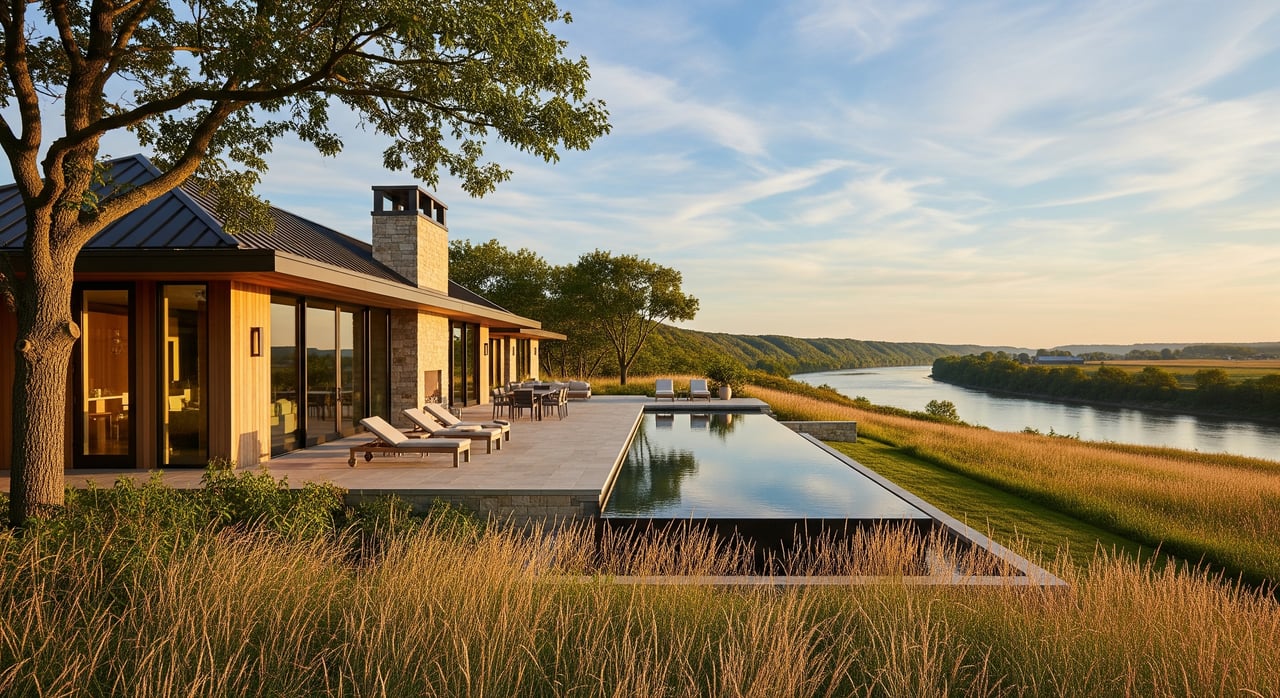
Thinking about a change of scenery and a lifestyle that fits how you actually live? You are not alone. Many buyers and retirees are trading crowded, high-cost metros for the Inland Northwest, especially the Eastern Washington and North Idaho corridor. In this guide, you will see why people are moving here now, what daily life looks like, the trade-offs to plan for, and a quick life-fit quiz to help you narrow the right areas for you. Let’s dive in.
What and where is the Inland Northwest
When people say “Inland Northwest,” they usually mean the region east of the Cascades that includes Eastern Washington and nearby North Idaho. Key hubs include Spokane, the Tri-Cities, Pullman, and Coeur d’Alene, along with dozens of small towns and lake communities.
This region blends small-city living with easy access to mountains, lakes, and rivers. Major corridors like I-90 connect you to Seattle and Montana, while Spokane International Airport offers flights to national hubs. You get four distinct seasons, room to spread out, and communities that value the outdoors.
Why people are moving here
More home for your budget
Many buyers find that their dollar goes further compared with coastal metros. You will see more single-family options, a wider range of lot sizes, and better access to land. Affordability varies by micro-market, especially along shorelines and in popular recreation corridors, but the broader inland market often feels more attainable than Puget Sound or California.
Four-season recreation at your door
If you want variety, this region delivers. In winter you can ski, snowboard, or cross-country within a reasonable drive. Spring and fall bring hiking, biking, and trail running with standout foliage. Summer is long and sunny, perfect for river floats, paddleboarding, and mountain lake days. The climate offers true seasonal change, which many people miss in coastal zones.
Lake culture and waterfront living
Lakes are part of the lifestyle here. From iconic names to countless smaller lakes and rivers, you can boat, fish, swim, and unwind close to home. Waterfront homes and cabins are popular for second-home buyers and full-time residents who want year-round access. Keep in mind that shorelines can have specific rules and inventory may be limited, which can influence price and timing.
Space and acreage options
Want elbow room or a hobby farm? The Inland Northwest offers acreage properties near regional hubs so you can enjoy privacy without losing access to services. Many rural parcels use private wells and septic systems and may have different zoning rules for outbuildings and home-based activities. The trade-off is longer drives, school busing considerations, and variable broadband in some areas.
Connectivity without isolation
I-90, US-2, and regional highways link smaller towns to Spokane and other hubs. Spokane International Airport provides access for business and family travel, and the Amtrak Empire Builder crosses the region for an alternative to driving. Some buyers choose a longer commute for more space and value. Others pick a smaller city with everything they need within a short drive.
Quick life-fit quiz
Use these quick questions to see which local lifestyle might fit you best. Jot down your answers, then match them to the results below.
- How important is daily water access to you?
- Not important
- Nice to have
- Very important
- Do you want to live on acreage with space for animals or gardening?
- No
- Maybe a larger lot
- Yes, acreage
- How many months each year do you plan to do winter sports?
- 0–1
- 2–4
- 5+
- Is being within about 30–45 minutes of a regional airport or major hospital important?
- Yes
- Preferable
- Not necessary
- Would you accept a longer commute to get more space and lower housing cost?
- Unwilling
- Maybe occasionally
- Yes
- Do you need consistent high-speed broadband for work?
- No
- Somewhat
- Absolutely
- How do you feel about seasonal wildfire smoke risk?
- Concerned and prefer lower-risk areas
- Moderately concerned
- Acceptable with mitigation
What your results suggest
Lake-Lover
If you prioritized water and summer enjoyment, lake and river corridors might be a strong fit. Expect premium pricing for lakefront, limited inventory, and specific shoreline rules. Next steps: focus your search around boat launches and marinas, review shoreline guidelines with local planning departments, and budget for waterfront-specific insurance and maintenance.
Four-Season Adventurer
If winter sports, trails, and year-round recreation topped your list, look for areas with quick mountain access and trail networks. You will want good road maintenance and convenient gear storage. Next steps: test drive winter commutes, scout trailheads in shoulder seasons, and consider neighborhoods where snow removal and steep driveways are manageable.
Acreage Seeker
If you chose acreage and privacy, explore rural residential and agricultural zones within your target drive-time. Plan for wells, septic, and outbuilding permits. Next steps: schedule well and septic inspections for any serious contender, confirm zoning and ADU guidelines with county planning, and ask about power reliability and wildfire defensible space.
Corridor Commuter or Small-City Resident
If airport access, hospitals, and broadband were essential, small-city neighborhoods and close-in suburbs may suit you best. You can enjoy shorter local drives and steady services with quick access to work or travel. Next steps: verify fiber or cable availability, map commute windows on weekdays and weekends, and compare options across Spokane, Liberty Lake, Coeur d’Alene, and the Tri-Cities.
Practical trade-offs to plan for
Utilities and permits
Many rural homes rely on private wells and septic systems. Counties require permits, testing, and maintenance schedules, so you will want inspections early in the process. Rules for accessory dwellings, agricultural uses, and home businesses can vary. Confirm these with the appropriate county department before making plans to add structures or subdivide.
Insurance and environmental risks
Wildfire exposure and smoke can affect some areas during summer. Shoreline and riverfront properties may require flood considerations. Ask about local risk history, evacuation routes, and any neighborhood or county mitigation programs. Insurance coverage and premiums can vary based on these factors and on the home’s location and features.
Employment, schools, and healthcare access
Regional employment centers include Spokane, the Tri-Cities, and Pullman, with universities and large healthcare systems anchoring many jobs. Remote and hybrid workers often choose areas based on broadband access and airport proximity. Public school districts vary in size and program offerings, so review districts, transportation options, and extracurriculars that matter to you. Major hospitals are in regional hubs, while very rural areas have longer travel times for specialty care.
Early-stage relocation checklist
- Define your top lifestyle priorities. Rank water access, acreage, recreation, commute time, and broadband.
- Set a budget with room for inspections. Include well, septic, and specialized waterfront or outbuilding evaluations when relevant.
- Test drive your routine. Visit during different seasons to experience winter driving, summer crowds, and wildfire smoke conditions.
- Confirm utilities and zoning. Verify water source, septic status, ADU rules, and any agricultural or shoreline requirements.
- Check broadband and cell coverage. Look up provider maps and confirm speeds with neighbors when possible.
- Review insurance early. Ask your agent and insurers about wildfire, flood, and coverage nuances for rural or waterfront properties.
- Map access to services. Compare drive times to hospitals, shopping, routine care, and recreation you will use most.
How it compares to coastal metros
- Price and space. Inland homes and acreage often cost less than similar options in Puget Sound and many California metros. You typically get more land and garage or shop space.
- Daily flexibility. Smaller cities and towns cut down on traffic, give you quick trail or lake access, and make weekend plans easier.
- Travel and connectivity. I-90, regional highways, and Spokane International Airport support business and family travel. Amtrak provides an alternative to driving for certain routes.
- Real-life trade-offs. You may drive farther for some services, prepare for winter conditions, and plan around seasonal wildfire smoke. Rural parcels can require more hands-on maintenance.
Ready to explore your next move
If the Inland Northwest sounds like the right fit, you deserve a local guide who pairs lifestyle knowledge with clear, organized support. From lakefront discoveries to close-in neighborhoods and acreage finds, you can navigate options with confidence and a plan. Reach out to schedule a conversation, share your priorities, and map the best areas for your budget and timeline with Stacey Leech.
FAQs
Is the Inland Northwest more affordable than Seattle or Portland?
- In many inland metros, buyers typically find lower median home prices and more access to land than in Puget Sound and many coastal markets, though prices vary by neighborhood and property type.
Can I work remotely from Eastern Washington or North Idaho?
- Many buyers do, especially near small cities and suburbs, but broadband availability varies in rural areas, so verify provider options and speeds for any property you consider.
Are lakefront homes a good long-term choice?
- Lakefront homes offer strong lifestyle value and limited inventory can support demand over time, but expect premium pricing, shoreline rules, and maintenance and insurance considerations unique to waterfront living.
How should I plan for wildfire and winter conditions?
- Review local risk history, check evacuation routes, and ask about defensible space for rural parcels; in winter, consider road maintenance, driveway grades, and vehicle readiness for snow and ice.