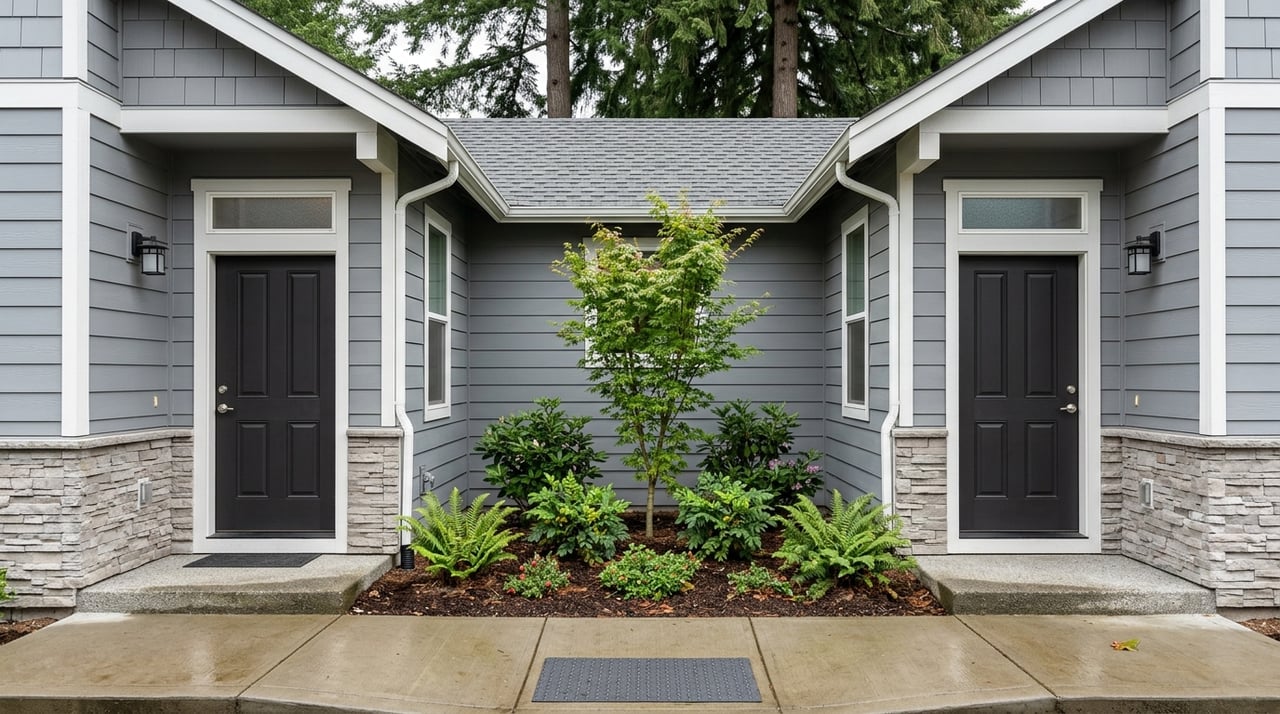
Wondering whether an HOA in Liberty Lake will make life easier or add more rules than you want? That is a smart question to ask before you buy. In a city shaped by planned neighborhoods, shared amenities, and a mix of home types, HOA documents can tell you just as much as the listing itself. This guide will help you understand how HOA rules work in Liberty Lake communities, what dues may cover, and what to review before you commit. Let’s dive in.
Why HOAs Are Common in Liberty Lake
Liberty Lake has a development pattern that helps explain why buyers often run into homeowner associations. The city describes itself as a community with abundant parks, trails, summer events, and a farmers market, and it sits about 20 minutes from downtown Spokane. Its planning history also includes master-planned development, open space, and specific area planning.
The city’s comprehensive planning documents show a mix of single-family homes, townhouses, duplexes, and small apartment buildings. They also note that many residential areas were platted or governed through approved special area plans. For you as a buyer, that often means neighborhoods may come with shared spaces, design standards, and more formal community rules than a basic subdivision.
Which Rules Actually Control
When you are looking at a Liberty Lake property, the most important thing to know is this: the recorded governing documents control the community. That usually means the CC&Rs, bylaws, adopted rules, and the Washington statute that applies to that association. The label in a listing matters less than the actual documents.
In Washington, many older HOAs still operate under RCW 64.38. Communities created on or after July 1, 2018, are often governed by the Washington Uniform Common Interest Ownership Act, or RCW 64.90, unless the property falls under a different statutory structure such as condominiums under RCW 64.34.
That distinction matters because the governing statute can affect disclosures, reserve requirements, meeting procedures, and resale documents. If you are unsure which law applies, that is a question worth raising early in the process.
What HOA Rules Usually Cover
HOA rules can vary from one Liberty Lake community to another, so it is best not to assume all neighborhoods work the same way. Some communities may focus mainly on common-area upkeep, while others may have more detailed standards tied to shared amenities or appearance.
Under Washington law, associations may adopt rules and budgets, collect assessments, regulate common areas, and enforce rules through late charges and reasonable fines after notice and an opportunity to be heard. In practical terms, that means your HOA may have rules tied to how shared spaces are used, how dues are collected, and how violations are handled.
A good way to approach this is to ask not just, “Is there an HOA?” but also, “How active is it, and what does it regulate?” That question can make a big difference in whether a community feels like the right fit for your lifestyle.
What HOA Dues May Pay For
HOA dues are more than just a monthly line item in your budget. In many communities, they are the funding tool for shared upkeep, ongoing operations, and future replacement costs.
Under RCW 64.38, an association may adopt budgets for revenues, expenditures, and reserves, impose and collect assessments, and charge fees for common-area use. In practical terms, dues often help support things like landscaping, common-area maintenance, shared amenities, and administrative costs.
That is why two communities with similar home prices can feel very different financially. One may have lower dues but fewer shared responsibilities, while another may have higher dues tied to broader maintenance obligations or more amenities.
Why Reserves Matter So Much
One of the most important buyer topics in an HOA community is the reserve study. A reserve study looks beyond this year’s operating budget and estimates future major maintenance and replacement costs.
Washington law treats reserve studies as a supplement to the budget. Under RCW 64.38, they must estimate major maintenance and replacement costs, be updated annually, and include at least one professional visual inspection every three years. The law also warns that inadequate reserve planning can lead to special assessments.
For you, that means low dues are not always the whole story. If an association is not planning well for future repairs or replacements, owners may later face unexpected costs.
Financial Records to Review
Washington law requires associations to maintain detailed financial records. That includes annual financial statements, separate association funds, and key records such as budgets, meeting minutes, governing documents, contracts, insurance policies, warranties, and notices.
Associations with annual assessments of $50,000 or more generally must have annual audits, subject to statutory waiver rules. This can give you another useful data point when you are evaluating how the association handles its finances.
When you review an HOA, you want to look beyond the dues amount alone. A better question is whether the association appears organized, transparent, and realistic about both current expenses and future obligations.
How Property Type Affects Your Review
In Liberty Lake, the exact property type can change how closely you should examine HOA obligations. A stand-alone home in an HOA may involve fewer shared maintenance duties than a townhome or condo, but that does not mean you can skip the document review.
In a city with mixed housing types and planned neighborhoods, the amount of shared ownership often matters more than the label on the property. The more common elements, services, or shared structures involved, the more important it becomes to understand dues, reserves, and community rules.
This is especially useful if you are comparing a detached home, a townhome, and a condo in the same general price range. The purchase price may look similar, but the long-term ownership experience can be very different.
What to Review Before You Buy
If you are serious about a Liberty Lake property with an HOA, ask for the core documents early. A careful review can help you spot issues before they become surprises.
Here is a practical buyer checklist:
- CC&Rs
- Bylaws
- Current rules and regulations
- Current budget
- Recent financial statements
- Reserve study
- Meeting minutes
- Insurance information
- Any pending special assessments
- Rental or occupancy restrictions
- Any active disputes or litigation
These records can help you understand not only the rules, but also how the association is run. They can also show whether the community’s funding approach matches your comfort level.
Why the Resale Certificate Matters
If the community is governed by RCW 64.90, the resale certificate becomes a major part of your due diligence. This document is designed to give buyers a clearer picture of the association and the property’s standing within it.
The resale certificate must disclose items such as current and delinquent assessments, special assessments, other fees, reserve-study status, the operating budget, financial statements, judgments and litigation, insurance coverage, covenant or rule violations affecting the unit, rental or occupancy restrictions, and recent meeting materials.
Washington law also gives buyers a measure of protection here. After first receiving the resale certificate, a purchaser may cancel the contract within five days. The law also caps the basic preparation fee and update fee for the certificate.
Questions Worth Asking an HOA
When you are comparing Liberty Lake communities, it helps to ask direct questions in plain language. You are not just buying a house. You are buying into a structure of shared decisions, shared costs, and community oversight.
Consider asking:
- What do the dues currently cover?
- Has the association discussed or approved any special assessments?
- When was the reserve study last updated?
- Are there any current rule violations tied to the property?
- Are there rental or occupancy restrictions?
- Are there ongoing disputes, claims, or litigation?
- How are budgets reviewed and communicated to owners?
These questions can help you move past surface-level impressions. They also make it easier to compare one neighborhood to another in a practical way.
How to Compare Liberty Lake Communities
If you are choosing between several Liberty Lake neighborhoods, compare more than just purchase price and monthly dues. A lower dues figure may not be a better value if reserve funding is weak or if major costs may be pushed to owners later.
A stronger comparison looks at the full picture:
- Purchase price
- Monthly dues
- Shared amenities or services
- Reserve-study posture
- Risk of special assessments
- Rule structure and restrictions
- Level of shared maintenance
This kind of side-by-side review is especially helpful for relocation buyers, retirees, second-home shoppers, and move-up buyers who want a home that fits both their lifestyle and their budget.
Why Local Guidance Helps
HOA documents can be manageable, but they are rarely quick reading. In Liberty Lake, where planned communities and mixed housing types are common, it helps to have someone organized and detail-focused helping you compare one option to the next.
A real estate agent can help you identify which statute likely applies, organize the key documents, and coordinate follow-up when disclosures raise questions. That may include connecting with the HOA manager, lender, attorney, or inspector so you can make a more confident decision.
If you are buying in Liberty Lake, the goal is not to avoid HOA communities altogether. The goal is to understand the rules, costs, and long-term structure well enough to know whether a community fits the way you want to live.
If you want clear, practical guidance as you compare Liberty Lake neighborhoods and HOA documents, Stacey Leech can help you sort through the details and move forward with confidence.
FAQs
What HOA documents should buyers review in Liberty Lake?
- Buyers should review the CC&Rs, bylaws, rules, current budget, financial statements, reserve study, meeting minutes, insurance information, special assessments, rental or occupancy restrictions, and any active disputes or litigation.
What do HOA dues usually cover in Liberty Lake communities?
- HOA dues often help pay for shared upkeep such as landscaping, common-area maintenance, amenities, and administrative costs, depending on the association’s budget and responsibilities.
How do Washington HOA reserve studies affect Liberty Lake buyers?
- Reserve studies estimate future major maintenance and replacement costs, and weak reserve planning can increase the risk of special assessments for owners.
What is a resale certificate in a Washington HOA community?
- In RCW 64.90 communities, the resale certificate discloses key financial, insurance, rule, and assessment information about the association and the property.
Can HOA rules differ between Liberty Lake neighborhoods?
- Yes. Rules, dues, shared obligations, and enforcement procedures can vary by community, which is why buyers should review each association’s actual governing documents.
Why are HOAs common in Liberty Lake?
- Liberty Lake’s planning history includes master-planned development, special area plans, mixed housing types, and neighborhoods with shared amenities and open space, which often leads to more formal community governance.