If you want top dollar for your Spokane Valley home, the work starts before the sign goes in the yard. Even in an active market, buyers notice the homes that feel clean, cared for, and easy to move into. The good news is that you do not need to overdo it. With the right prep plan, you can focus on the updates that matter most and launch with confidence. Let’s dive in.
Why prep still matters in Spokane Valley
Spokane Valley is moving, but buyers still compare options carefully. Spokane REALTORS' June 2026 report for area 110 shows 221 active listings and 80 closed sales, with a median close price of $469,900. Countywide, inventory ended June at 1,540 homes with 2.6 months of supply.
City-level data also shows homes averaging about 26 days on market and around 2 offers over the last three months. That tells you the market is active, but not so fast that you can skip preparation. Your first impression still matters, both online and in person.
Start with decluttering
The simplest step is often the most important. Buyers need room to picture their own life in the home, and clutter makes that harder. A cleaner, more open space also photographs better and feels easier to maintain.
A good rule is to remove anything that makes a room feel smaller or more personal than necessary. Pack away extra décor, family photos, bulky furniture, and items you do not use every day. Closets should look organized and about half full so buyers can see the storage space clearly.
According to the 2025 Profile of Home Staging, 83% of buyers' agents said staging made it easier for buyers to visualize a property as their future home. Nearly half also said staged homes spent less time on the market. That is a strong case for starting with a simplified, move-in-ready look.
Focus on high-impact areas
You do not need to transform every corner of the house at once. Start where buyers form their first opinions and where photos tend to draw the most attention.
Prioritize these spaces first:
- Entryway
- Living room
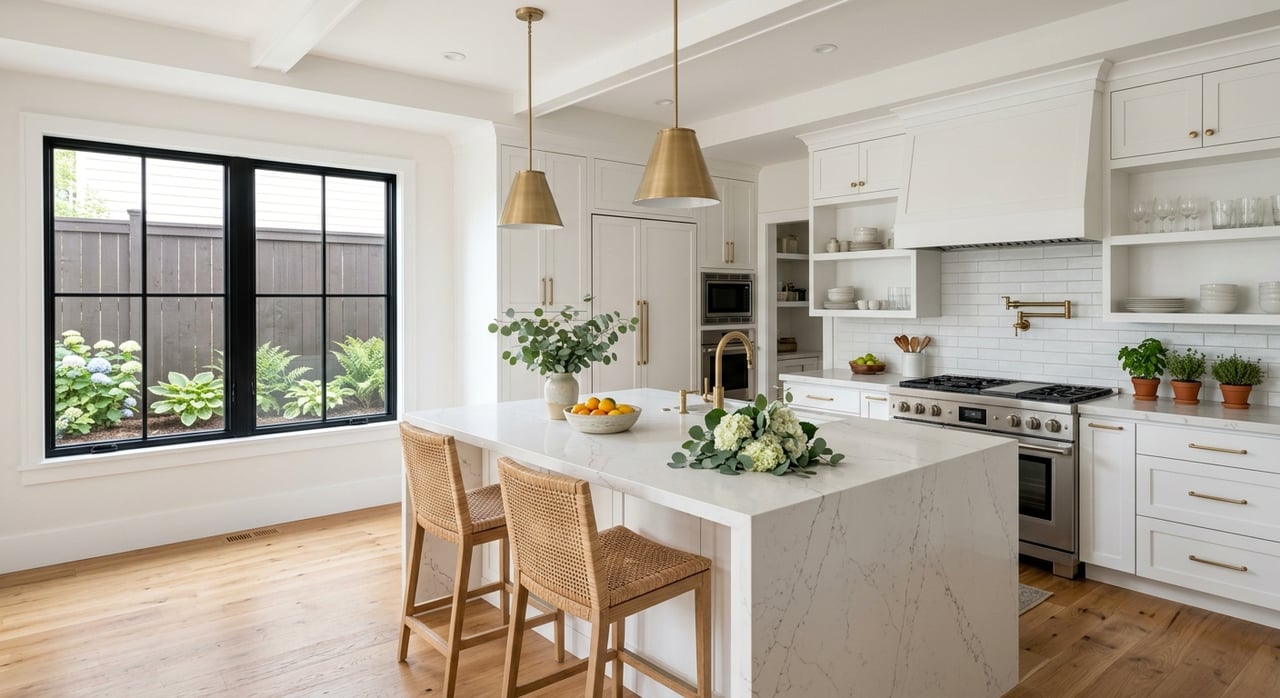
- Kitchen
- Primary bedroom
- Bathrooms
- Main hallways and other high-traffic areas
These are the rooms most likely to shape a buyer’s overall impression. If they feel bright, clean, and functional, the rest of the home tends to benefit too.
Tackle cosmetic fixes early
Before you list, take care of the small issues that can make buyers wonder what else has been overlooked. Minor cosmetic updates often do more for presentation than major remodeling, especially when your goal is a clean and current feel.
Walk through your home like a buyer would. Look for scuffed paint, loose hardware, burnt-out bulbs, dripping faucets, stained caulk, squeaky doors, and worn flooring transitions. These details seem small, but together they affect how well the home shows.
Neutral paint can also help if you have bold colors or patchy walls. The goal is not to strip out all character. It is to create a fresh, well-kept backdrop that appeals to a broad range of buyers.
What to fix before listing
A practical pre-listing repair list often includes:
- Touch-up or repaint walls with visible wear
- Replace missing or outdated light bulbs
- Tighten cabinet pulls and door hardware
- Repair minor plumbing drips
- Refresh caulk in kitchens and baths
- Deep clean carpets or flooring
- Clean windows and mirrors
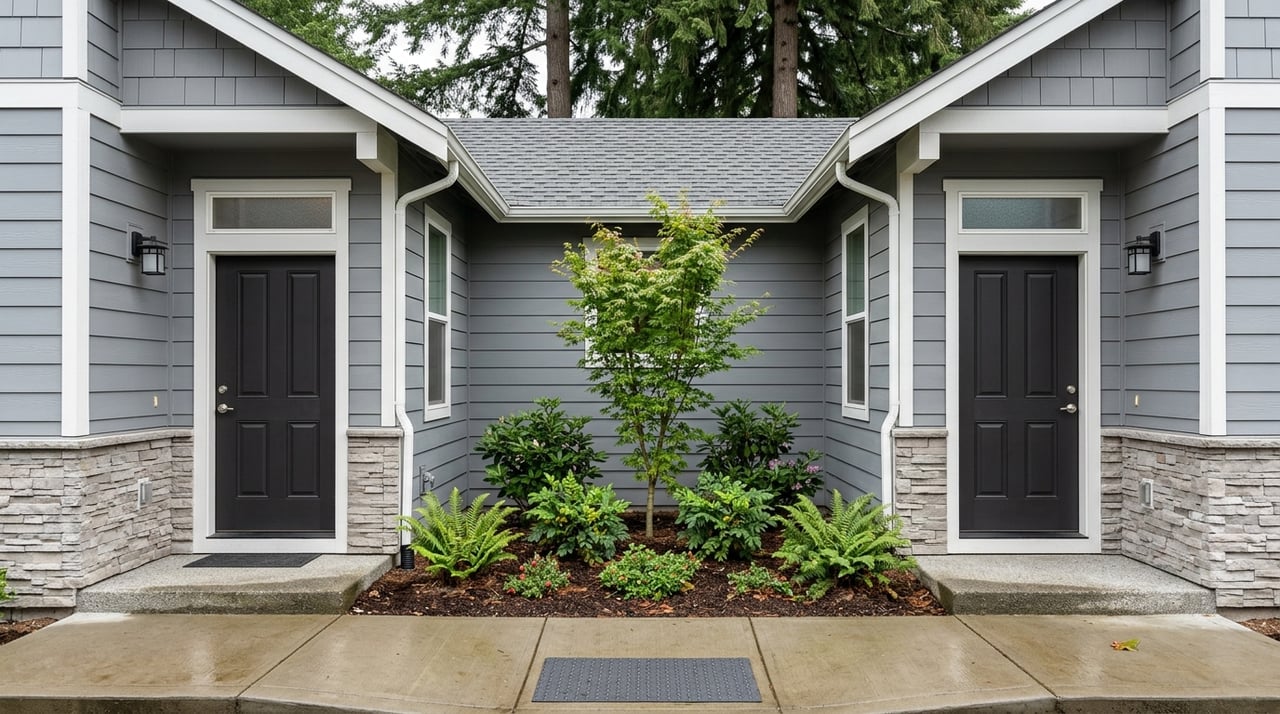
- Address obvious exterior maintenance
If you are unsure what matters most, a room-by-room plan can help you avoid spending money in the wrong places.
Make your home photo-ready
Most buyers start online, and their first showing is often on a screen. National buyer research found that among internet users, photos were the most useful listing feature at 83%, followed by detailed property information at 79%. Floor plans mattered to 57%, and virtual tours to 41%.
That means your home should be fully ready before photos happen, not after. If your listing launches with less-than-polished images, you may miss buyers who would have booked a showing if the presentation had been stronger.
What buyers want to see online
For a Spokane Valley listing, digital presentation should help buyers understand both the home and the lifestyle it offers. The City of Spokane Valley describes a housing mix that includes single-family neighborhoods, planned communities, trails, shared amenities, three public school districts, and 12 parks.
That does not mean your listing should make broad claims. It means the home should be presented in a way that feels functional, inviting, and connected to the practical features buyers care about, like convenience, layout, and everyday livability.
Before your listing goes live, aim to have:
- Professional-quality photos
- Accurate property details
- Clean, complete room descriptions
- Clear feature highlights
- Optional floor plans or video, if available
In a market where homes can move quickly, polished marketing from day one gives you a better chance to stand out.
Time your launch around readiness
It can be tempting to list as soon as you are thinking about selling. In Spokane Valley, a better approach is to launch only after the home is truly ready. That includes repairs, cleaning, staging, photos, and paperwork.
With homes averaging about 26 days on market and countywide inventory at 2.6 months of supply, buyers have enough choice to be selective. A rushed listing can lose momentum early, while a well-prepared one starts stronger.
A simple prep timeline
If you plan to list soon, this general sequence can help:
| Timeframe | Focus |
|---|---|
| 3 to 4 weeks before listing | Declutter, pack excess items, identify repairs |
| 2 to 3 weeks before listing | Finish cosmetic updates, deep clean, schedule services |
| 1 to 2 weeks before listing | Stage key rooms, finalize disclosures, prepare marketing assets |
| Listing week | Complete photography and go live once everything is ready |
Every home is different, but the main idea stays the same. Do the work upfront so your home makes a strong impression the moment buyers see it.
Get your paperwork in order
Preparation is not only about appearance. In Washington, sellers should also think ahead about required disclosures so nothing feels rushed once an offer comes in.
Under RCW 64.06.020, improved residential property generally requires a completed seller disclosure statement unless an exemption applies. The statement must be delivered no later than five business days after mutual acceptance, and buyers generally have three business days after delivery to rescind.
If your home was built before 1978, federal law also requires disclosure of known lead-based paint information, delivery of the EPA pamphlet, and a 10-day opportunity for the buyer to inspect or assess for lead hazards. Gathering this information early can make the sale process much smoother.
Paperwork to prepare early
Before listing, it helps to gather:
- Seller disclosure information
- Records of recent repairs or updates
- Utility or service details you may want handy
- Lead-based paint disclosure items, if the home was built before 1978
Having these items organized early can reduce stress later and help keep your timeline on track.
Know when light staging is enough
Not every Spokane Valley home needs a full professional staging install. In many cases, light DIY staging can go a long way, especially if the home is already in good condition and has a practical layout.
Simple staging often means editing furniture, improving flow, adding fresh linens or towels, and keeping surfaces clean and minimal. The goal is to make each room feel easy to understand and pleasant to walk through.
If the home is vacant, unusually laid out, or competing in a higher price range, more hands-on staging support may be worth considering. NAR’s consumer guide notes that an agent may recommend a professional stager or offer staging services. The right approach depends on the home, the competition, and how you want it to show online.
Why agent support can make prep easier
Selling prep can quickly turn into a long to-do list. Cleaners, handymen, photography, staging advice, and disclosure timing all have to come together in the right order. That is where a high-touch agent can make a real difference.
A concierge-style approach helps you stay focused on the right priorities instead of trying to manage every detail alone. Clear guidance can help you avoid over-improving, under-preparing, or launching before the home is ready.
For many sellers, the biggest value is not just marketing the home once it is live. It is having a calm, organized plan that gets the home ready for market in the first place.
If you are thinking about selling in Spokane Valley, the best next step is to start early and prep with purpose. A clean, updated, photo-ready home with organized paperwork gives you the best chance to attract serious buyers and create a smoother sale from day one.
When you want thoughtful guidance, hands-on support, and a clear plan tailored to your home, connect with Stacey Leech.
FAQs
What should you fix before selling a home in Spokane Valley?
- Focus on visible cosmetic issues like scuffed paint, loose hardware, light plumbing drips, worn caulk, deep cleaning, and other small items that affect first impressions.
How much decluttering is enough before listing a Spokane Valley home?
- You should remove personal items, extra furniture, and anything that makes rooms or closets feel crowded so the home looks clean, open, and easy for buyers to picture as their own.
Is DIY staging enough for a Spokane Valley home sale?
- In many cases, yes. Light staging can be enough if your home is clean, well maintained, and thoughtfully arranged, though some homes may benefit from more hands-on staging support.
What marketing materials should be ready before a Spokane Valley listing goes live?
- Your home should be photo-ready and include strong images, accurate property details, clear feature descriptions, and optional floor plans or virtual assets if available.
What disclosures do Washington home sellers need to prepare?
- Sellers of improved residential property generally need a seller disclosure statement unless exempt, and homes built before 1978 also require lead-based paint disclosure materials.
How far in advance should you start preparing a Spokane Valley home to sell?
- Starting a few weeks before listing is helpful so you have time to declutter, complete repairs, deep clean, organize disclosures, and launch only when the home is fully ready.