Thinking about buying a home in Coeur d’Alene but not sure when to start or how to read the market? You are not alone. With seasonal swings, limited lakefront opportunities, and price bands that move at different speeds, it helps to understand the local rhythm before you tour. In this guide, you will learn how inventory, days on market, price bands, and seasonality work in Coeur d’Alene so you can set a smart plan and make confident decisions. Let’s dive in.
How Coeur d’Alene’s market works
Coeur d’Alene is a small-to-mid-size resort and regional hub that attracts a mix of buyers. Many come for recreation and lifestyle, including second-home shoppers, retirees, remote workers, and local professionals in health care, education, and services. This blend leads to stronger buyer activity in spring and summer, especially for move-in-ready and lake-adjacent homes.
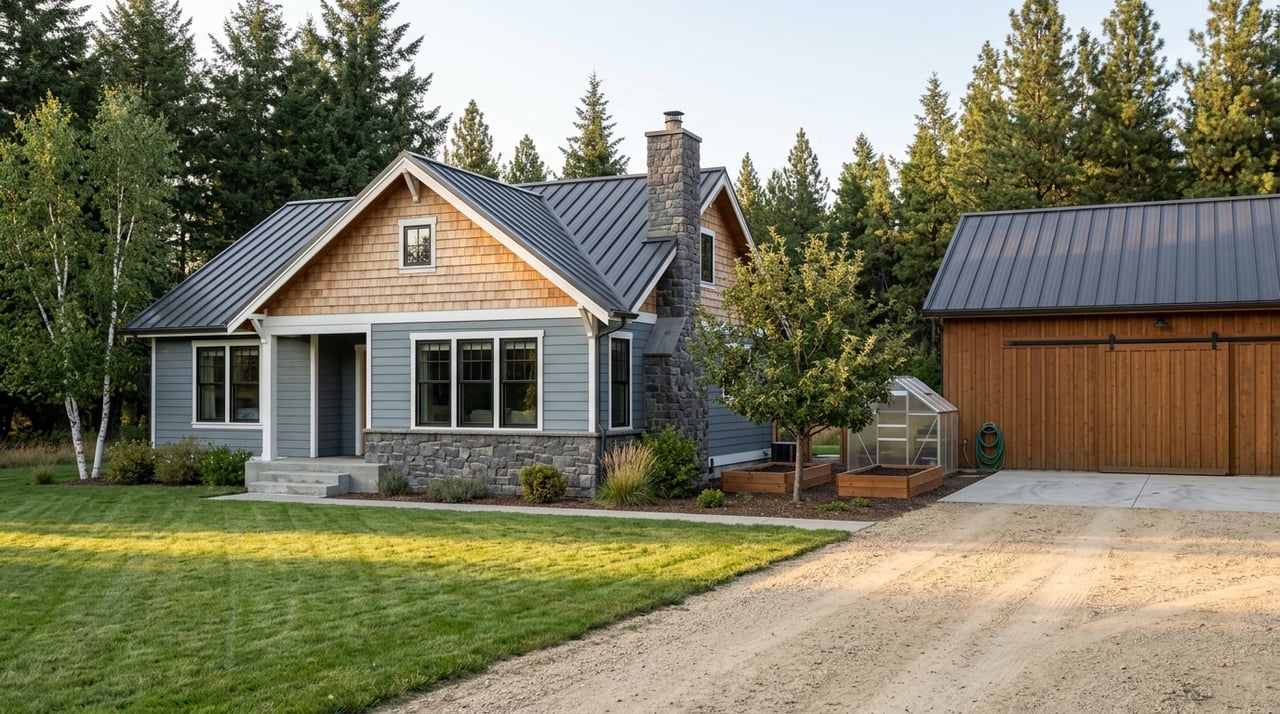
Supply is concentrated in single-family homes, with fewer condos and townhomes, and a very limited number of true lakefront properties. New construction can add choices in certain neighborhoods and price ranges, but many spec homes list near the top of their bands.
Because the area is smaller than a big metro, a handful of closings can move the numbers. You will often see month-to-month jumps, especially when luxury or waterfront properties close. Focus on 12-month rolling trends and buyer activity by price band rather than single-month medians.
Inventory and months of supply
Inventory tells you how much choice you have. Months of supply is the number of active listings divided by the average number of homes that sell each month. Lower months of supply signals tighter conditions and faster competition. Higher months of supply gives buyers more room to negotiate.
What to watch:
- Citywide months of supply plus a read on your specific price band
- Inventory by property type, like single-family versus condo or townhome
- A 12-month rolling view to reduce noise from seasonal spikes
Buyer takeaways:
- If months of supply is tight in your band, plan to tour quickly, confirm financing, and prewrite terms where possible.
- If inventory loosens, you can ask more questions about pricing history and concessions, and you may have extra time to compare options.
- New construction may add options in upper bands while entry-level choices remain limited, so keep an eye on where new listings are coming online.
Days on market and sale pace
Days on market (DOM) shows how quickly homes go under contract. Short DOM and a large share of listings selling within 7 to 14 days often mean you need pre-approval and a nimble plan. DOM also varies by price band. Core price ranges tend to move faster, while luxury and waterfront homes typically take longer.
How to use DOM:
- Combine DOM with price-reduction patterns. Fast sales plus few reductions suggests strong demand. Longer DOM with frequent reductions points to a softer environment.
- Ask your agent for both median DOM and the share of homes selling within 7, 14, and 30 days in your band. This helps you prepare the right offer tempo.
Prices and the price bands that matter
Instead of relying on a single citywide median, think in price bands. This approach adjusts to local conditions and shows where the competition really is. A practical framework uses the 12-month city median as an anchor, then builds relative bands around it.
- Entry band: at or below 75% of the median
- Core or mid band: 75% to 125% of the median
- Move-up or upper-middle: 125% to 200% of the median
- Luxury: above 200% of the median
Entry band
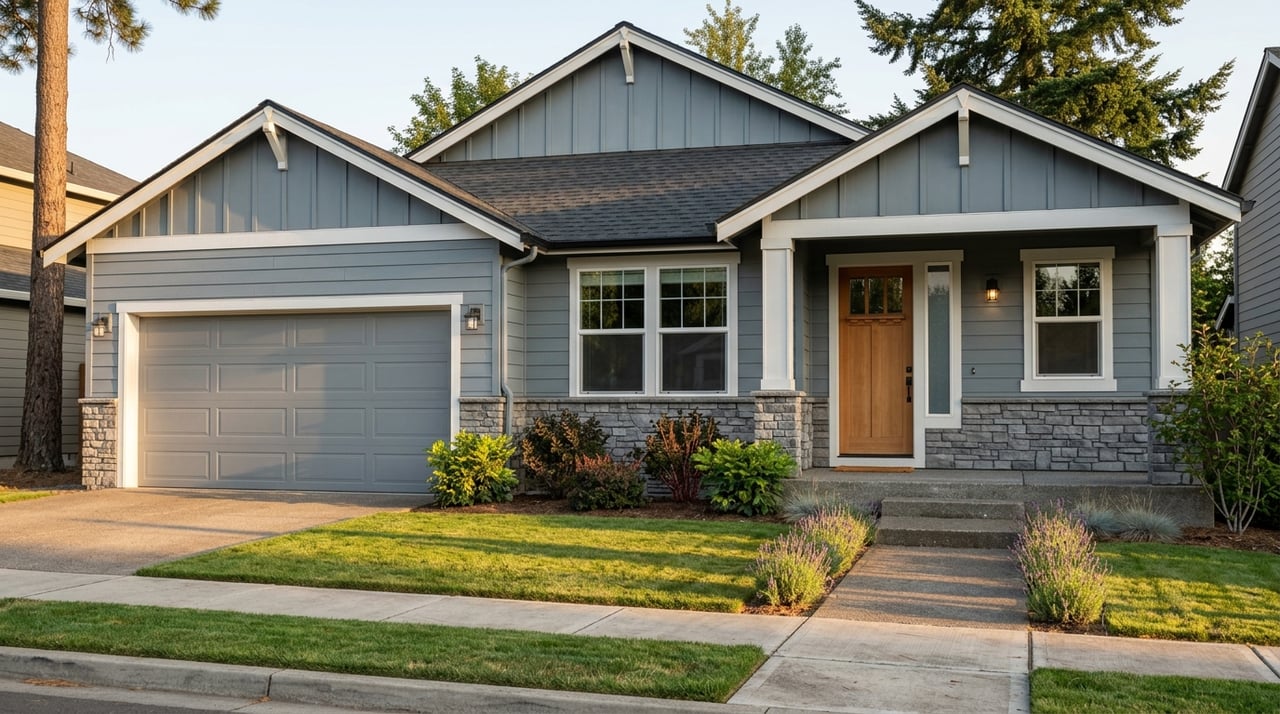
Entry-level options are often smaller or older single-level homes, townhomes, and condos. Turnover can be faster during spring, and investor activity may be present. Expect more competition when inventory is thin, and consider being flexible on minor cosmetic updates to expand your choices.
Core or mid band
This is where most sales activity happens. It tends to show the shortest DOM and the tightest sale-to-list ratios. If a home is well priced and move-in ready, be prepared for multiple showings and early offers during peak season. Clarity on your price ceiling and must-have list is key.
Move-up or upper-middle
You will often see fewer listings and a wider range of condition and features. Competition can vary week to week, depending on how many comparable homes hit the market. New construction is common here, which can anchor pricing at the higher end of the band. Study builder timelines and incentives alongside resale homes.
Luxury
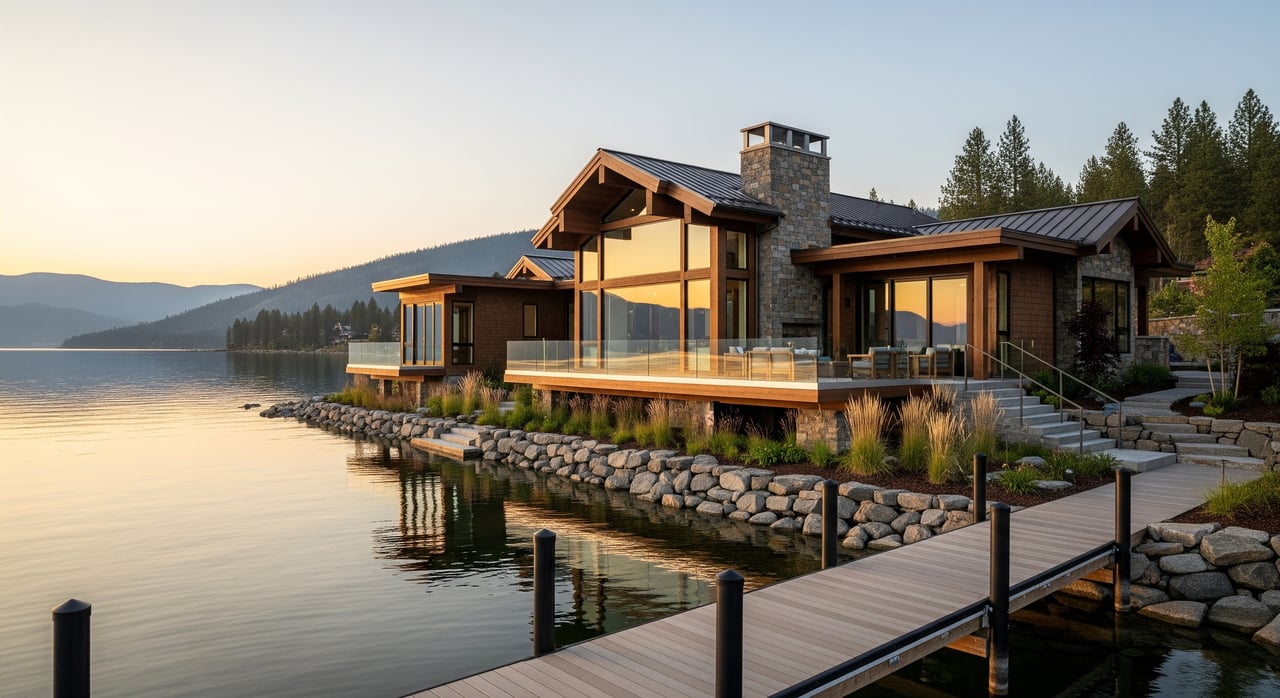
Luxury includes waterfront, lake-view, acreage, and distinctive estate properties. These listings typically have longer marketing cycles and more price revisions. Because sample sizes are small, medians can swing. For these homes, lean on property-specific comps, unique features, and a deeper due diligence checklist.
Seasonality and timing
Coeur d’Alene follows a predictable seasonal pattern. If you know the cycle, you can time your search and prepare for the offer environment you are likely to face.
- Spring, March to June: New listings surge and buyer activity peaks. You will see more choices but also more competition. Be ready with pre-approval and a defined price band.
- Summer, June to August: Activity continues, often slightly slower than spring. Second-home tours and lakefront interest remain steady.
- Fall, September to October: The market typically cools. Serious sellers price to sell, and negotiating room can widen. This can be a smart window if you want less competition.
- Winter, November to February: Inventory and new listings are lowest. You may encounter fewer competing buyers, but you will also have fewer options to tour.
Practical strategy by season:
- Off-peak months: Research neighborhoods, attend open houses, and finalize financing. Use this time to set your price band and must-have criteria.
- Peak months: Move quickly on homes that fit your plan. Ask about days on market and showing activity to gauge demand before you write.
Local factors that shape your search
Coeur d’Alene has a few local dynamics that affect pricing, inventory, and underwriting. Consider these factors as you plan and tour.
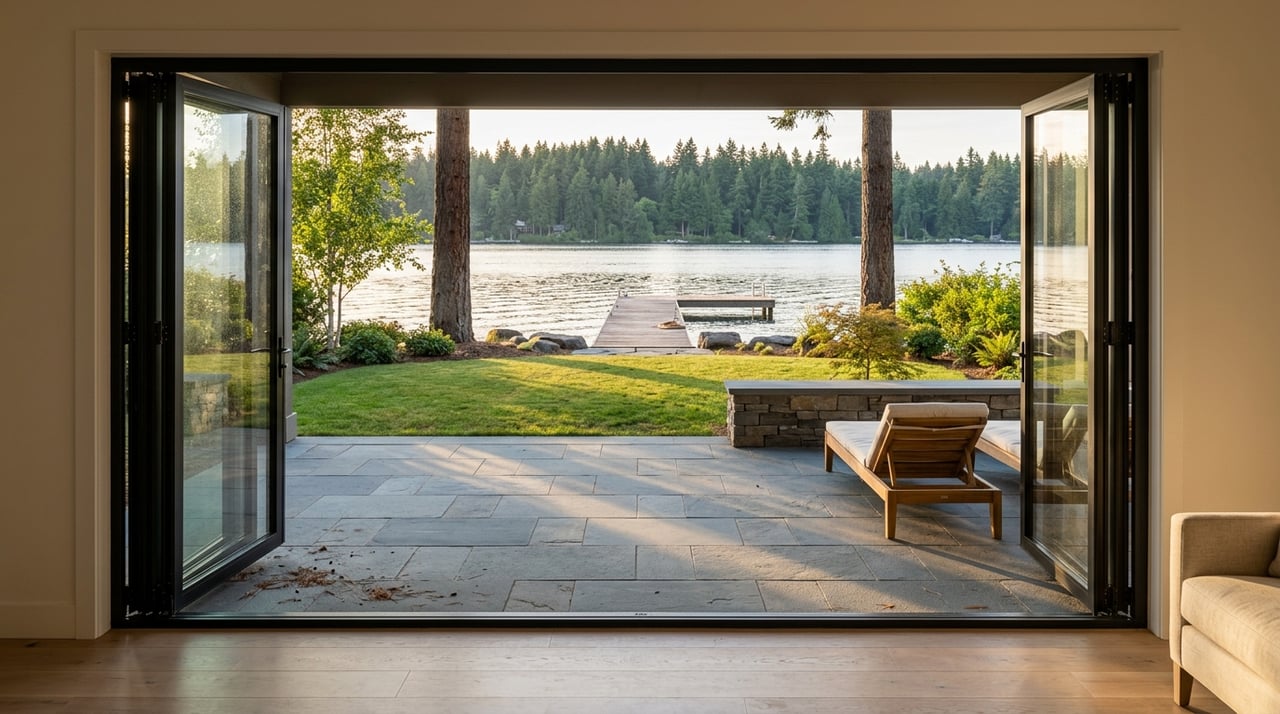
Lakefront and view premiums: Waterfront and lake-view homes command premium pricing and can follow unique marketing timelines. Many have specialized terms, inspections, and access considerations.
Short-term rentals: Vacation rental demand influences inventory in some areas and buildings. Review neighborhood or city rules, HOA policies, and suitability if rental flexibility matters to you.
New construction: Builder pipelines can add supply in upper bands. Spec homes often price at a premium and can influence nearby comps. Ask about build timelines, warranties, and estimated carrying costs during construction.
Environmental and natural hazards: Floodplain and wildfire risk can affect insurance and lender requirements. Lake-adjacent properties may involve shoreline rules, permits, or easements. Build in time to verify these details.
Local taxes and permitting: Idaho’s tax structure and local permitting timelines can shape post-purchase plans, such as renovations or accessory units. Factor this into your budget and timeline.
Spokane regional pull: Some buyers cross-shop with the Spokane metro. This regional context can affect how “expensive” or “affordable” Coeur d’Alene feels and may impact your comparison set.
A buyer’s checklist to prepare and win
Use this simple plan to get ready before touring and to act decisively when the right home appears.
- Define your price band
- Use a 12-month median as the anchor, then place your search within entry, core, upper-middle, or luxury. Knowing your band speeds up decisions and keeps expectations realistic.
- Get financially ready
- Secure pre-approval and understand your monthly payment comfort zone. Confirm how rate changes affect your price band. Prepare proof of funds if you will make a larger earnest money deposit.
- Clarify your must-haves vs. nice-to-haves
- Separate location, lot type, bed and bath count, and lifestyle needs from cosmetic preferences. In tight bands, flexibility on finishes often expands your options.
- Set a touring and offer timeline
- During peak months, same-day tours and quick decisions are common in the core band. Decide ahead of time what terms you can improve, like closing date flexibility, inspection timelines, or rent-backs if appropriate.
- Use DOM and pricing cues
- For a new listing with strong showings and a short DOM pattern in your band, expect firm pricing. For a listing that has sat through several weekends and price reductions, consider negotiation strategies supported by recent comps.
- Plan thorough due diligence
- For lakefront or acreage, review shoreline rules, dock rights, access easements, well and septic records, and fire risk assessments. For condos and townhomes, review HOA budgets, reserves, and rules, especially around rentals and exterior maintenance.
How Stacey supports your search
You deserve a clear, organized plan backed by local expertise. As a Coeur d’Alene lifestyle specialist with the marketing reach of Coldwell Banker Global Luxury, Stacey offers a concierge approach that blends data, neighborhood knowledge, and hands-on transaction management.
What you can expect:
- Local insight that translates market rhythms into actionable strategy for your exact price band
- Skilled guidance across all property types, from entry-level and move-up to lakefront and acreage
- Calm, detail-forward management for relocations, retirements, VA and complex financing
- Professional marketing leverage and strong agent-to-agent relationships that help you move quickly when it counts
If you are starting to explore Coeur d’Alene or ready to tour, connect with a trusted partner who combines practical data and a client-first mindset. Reach out to Stacey Leech to talk through your goals and set a plan that fits your timeline.
FAQs
How to tell if Coeur d’Alene is competitive right now
- Check months of supply and median days on market in your price band. Low supply and short DOM signal stronger competition, especially if many homes are selling near or above list.
Best time to shop in Coeur d’Alene for more choices
- Spring brings the most new listings but also the most buyers. Winter often has fewer listings and less competition. Use fall and winter to prepare, then be ready to act in spring if you want more options.
Multiple offers in Coeur d’Alene’s core price ranges
- Well-priced, move-in-ready homes in the core band often see multiple offers during peak months. Higher-end and luxury properties usually move more slowly and may allow more negotiation.
Why hire a local Coeur d’Alene agent as a buyer
- A local agent has access to the most current MLS and pending data, understands neighborhood-specific factors like shoreline rules and typical days to contract, and can tailor your offer strategy to the season and band.
Do Coeur d’Alene waterfront homes follow typical rules
- Not always. Waterfront and lake-view homes are unique, with fewer comparable sales, longer timelines, and additional inspections or permits. Plan extra due diligence and a property-specific approach.