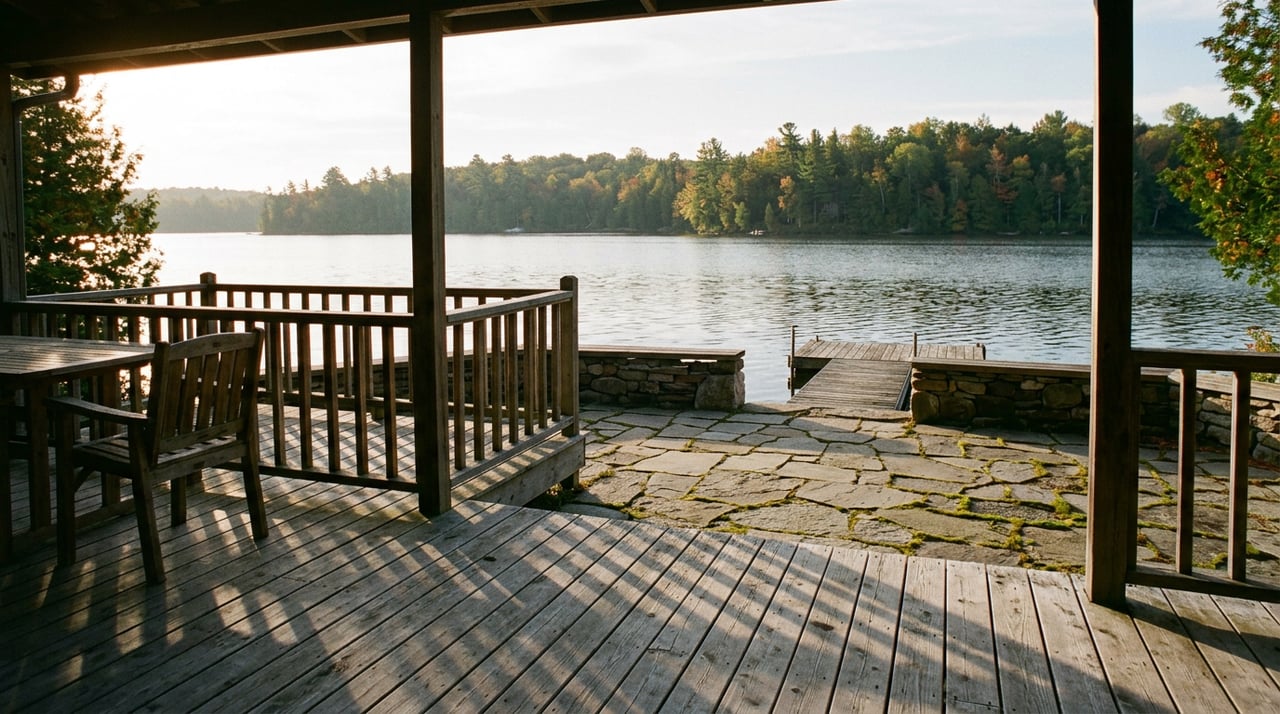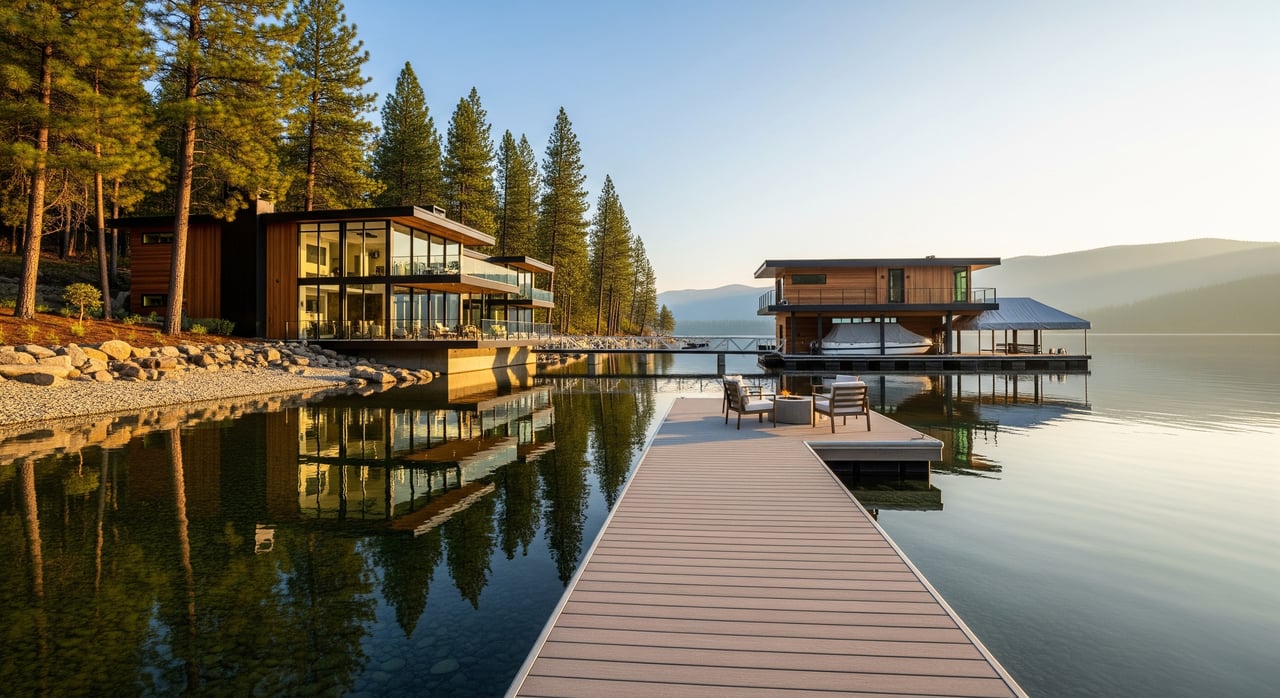
Picture sunrise coffee on a quiet dock, glassy water under your feet, and a day of boating ahead. If you are drawn to that Inland Northwest lake lifestyle, you also want a clear plan. Waterfront purchases are different, especially in Washington. In this guide, you will learn how to evaluate shoreline rules, docks and moorage, winter access, utilities, insurance, costs, and timing. You will also get simple checklists you can use with any lake you tour. Let’s dive in.
What “waterfront” really means
Waterfront ownership is not just about a view. In Washington, the Ordinary High Water Mark (OHWM) often marks where your private upland parcel ends and where the state’s ownership of the lake bed begins. That boundary affects where you can place structures and which permits you need. North Idaho has similar concepts, but rules and agencies vary by state and county.
Rules are local. Each county and city in Washington administers a Shoreline Master Program. In the Inland Northwest, that includes places like Spokane, Stevens, Lincoln, Ferry, Okanogan, and Whitman counties. Setbacks, dock sizes, and vegetation standards can differ from lake to lake. Always confirm the program that applies to your specific parcel.
OHWM and your boundary
The OHWM is a technical line that separates private upland property from state-owned lake beds in many Washington lakes. Docks and overwater structures often sit waterward of the OHWM, which can trigger state oversight. Ask for a recent survey that shows the OHWM and any easements so you understand where private maintenance ends and public water begins.
Who regulates what in Washington
- County or city planning: Shoreline Master Program permits, setbacks, and allowable uses.
- Washington Department of Fish and Wildlife (WDFW): Hydraulic Project Approval for work that affects the bed or flow of state waters, such as dock pilings or shore stabilization.
- Washington Department of Ecology: Shoreline program oversight and water quality matters, including harmful algal bloom advisories.
- Washington Department of Natural Resources (DNR): Manages state-owned aquatic lands and may require leases when docks extend over state beds.
- U.S. Army Corps of Engineers (USACE): Federal permits for certain dredge or fill activities in navigable waters or wetlands.
Before you buy, verify that any existing dock, boathouse, lift, or shoreline armoring has documented approvals. Ask for copies of shoreline permits, WDFW HPA, DNR aquatic leases, and any USACE authorizations.
Vegetation, armoring, and overwater coverage
Many shoreline programs limit removal of native vegetation and restrict new bulkheads. Some require mitigation plantings when vegetation is changed. Overwater coverage is also controlled, which can limit dock width or the size of boathouses. If dredging is needed to keep a slip usable, expect complex permits and mitigation requirements.
Docks, moorage, and boating access
Dock access drives much of the waterfront experience. Options include private fixed or floating docks, boathouses, boat lifts, community or marina slips, and dry storage. Each has different maintenance duties and costs. Floating docks often need seasonal adjustments, while fixed structures require regular inspections and hardware replacement.
Local rules can set no-wake zones and limit horsepower near shore to protect habitat and reduce erosion. Many lakes run invasive species inspection programs that require you to clean and inspect boats before launching. Noncompliance can lead to fines.
Maintenance and lifecycle costs
Plan for recurring tasks: float replacement, fastener and piling checks, seasonal removal or lifting for ice, and shoreline erosion control. Hardware and floats have a finite lifespan. Budget for periodic rehab and consider how lake level changes affect access during low water.
Dock & Moorage Questions — Washington
Use this checklist during showings and inspections.
- Property & boundaries
- Do you have a recent survey showing the Ordinary High Water Mark (OHWM)?
- Does the seller hold a recorded DNR aquatic lease or easement if the dock extends over state-owned bed?
- Is the dock landward of OHWM or over state aquatic lands?
- Permits & approvals
- Is there a Shoreline Substantial Development Permit or similar local approval for the current structure?
- Is there a WDFW Hydraulic Project Approval for the dock and any shore work?
- Was USACE involved if dredging or fill occurred?
- Are permits current and documented, and do they transfer at closing?
- Condition & maintenance
- When was the last inspection or repair? Are reports and receipts available?
- What is the remaining life of floats, pilings, and hardware?
- Who handles seasonal removal or installation, and at what cost?
- Water depth & navigation
- What is the depth at the dock during typical and low pool conditions? Are soundings available?
- Are there hazards or a need for dredging to keep the slip usable?
- Do no-wake zones or channels affect access to open water?
- Storage & marina access
- Are community slips, dry storage, or marinas nearby? What are the fees or waitlists?
- Are there boat size, horsepower, or personal watercraft restrictions?
- Environmental & invasive species
- What is the lake’s history with harmful algal blooms?
- What inspections or decontamination steps are required before launching?
- Insurance & liability
- Does the homeowner policy cover the dock and moored vessels? Are special endorsements needed?
- Are there easements or covenants that share dock liabilities or costs?
- Transfer & future plans
- Will permits need reissuance after sale?
- Would local rules allow expansion or rebuilding after damage?
Water quality, algae, and invasive species
Many Inland Northwest lakes see periodic harmful algal blooms. Advisories can affect swimming and pet safety. You should also stay current on watercraft inspection rules aimed at preventing invasive mussels and plants. Expect required cleaning or inspection at public launches during peak season.
Winter access and year-round livability
Winter shapes daily life at many lakes. Some roads are county-maintained while others are private and not regularly plowed. Steep, curvy access routes can require snow tires or chains. Boat ramps may close in winter. Floating docks are sometimes lifted or moved to prevent ice damage. Ask sellers about their winter routine and whether the property is actively maintained in colder months.
Power outages can last longer in remote spots, so many owners consider a standby generator or backup battery system. Confirm propane delivery routes, and test internet speeds if you plan to work remotely. Cell reception varies by shoreline and carrier.
Septic and well due diligence
Many lake homes rely on private wells and on-site septic systems. Request a full septic inspection with pumping records, and a well yield and water quality test for bacteria and nitrates. Local health districts set specific setbacks between drainfields and the OHWM that vary by county and soil. Ask about freeze protection for plumbing and the wellhead, especially if you plan year-round use.
Insurance and emergency readiness
Not all lake homes sit in mapped floodplains, but seasonal high water and storms can still pose risks. Review FEMA maps and talk with your insurance broker about coverage for docks, lifts, watercraft, and liability. Remote lakes may have longer fire and EMS response times. Note the nearest volunteer station and hospital.
Market timing and buying strategy
Listings and buyer activity often peak in spring and early summer when the weather supports showings and buyers aim for summer use. That can increase competition and pricing pressure. Late fall and winter may offer less competition and more room to negotiate. If you buy off-season, confirm winter access and plan time for spring repairs before boating season.
Budgeting beyond the purchase price
Consider ongoing costs that are unique to the waterfront lifestyle:
- Dock and lift maintenance, inspections, and possible permits
- Septic pumping or repair and well maintenance
- Shoreline erosion control and any needed bulkhead work
- Insurance endorsements for docks, boats, or flood exposure
- Property management if the home is a second residence
- Utilities, propane delivery, and generator fuel
- Travel time and vehicle wear for frequent weekend trips
Your due diligence roadmap
Use this quick checklist to keep your purchase on track:
- Obtain a survey that shows the OHWM and any easements.
- Request the complete permit history for docks, boathouses, bulkheads, dredging, and shoreline changes.
- Order septic inspection and records, plus well yield and water quality tests.
- Get a structural inspection of the dock and lifts, with maintenance logs.
- Verify who plows the road and driveway, and typical timelines.
- Confirm power, water, and internet reliability and speeds.
- Review HOA or community rules, including any short-term rental limits.
- Review local shoreline program documents and DNR records for aquatic leases, and check WDFW for HPA history.
- Check the lake’s history for invasive species controls and harmful algal blooms.
- Contact nearby marinas about slip availability and seasonal storage.
- Engage a local waterfront-savvy real estate professional and consult a shoreline-experienced attorney for permit or title complexity.
Local rules and rental considerations
Short-term rental rules, HOA covenants, and local navigation limits vary by lake and county. Ask for written policies and verify them with the local planning and health departments. Rules can change over time, so build in time during your contingency period to research current requirements.
Ready to find your lake home?
You deserve more than listings. You deserve a clear plan tailored to your favorite lakes, your boating goals, and your comfort in every season. If you want organized due diligence, local introductions, and concierge-level support from search to closing, connect with Stacey Leech.
FAQs
What is the OHWM in Washington waterfront purchases?
- The Ordinary High Water Mark commonly separates private upland ownership from state-owned lake beds, which affects where docks can sit and which permits or leases may apply.
Which permits do I need to build or repair a dock in Eastern Washington?
- You typically work with your county or city shoreline program, WDFW for a Hydraulic Project Approval, and possibly DNR or USACE if the dock extends over state beds or involves dredge or fill.
How do winter conditions affect access to Inland Northwest lake homes?
- Some roads are private and not plowed on a schedule, ramps may close, and ice or snow loads can impact structures, so confirm plowing responsibility and safe year-round access.
How do invasive species rules affect boat owners on WA and ID lakes?
- Many lakes require inspections and decontamination before launching to prevent mussels and aquatic weeds; owners can face fines for noncompliance.
What should I check about septic and wells at lakefront properties?
- Order a septic inspection with records, test well yield and water quality, and confirm county-specific setbacks between drainfields and the OHWM.
When is the best time to buy a lakefront home in the Inland Northwest?
- Spring and early summer offer more listings but higher competition, while late fall and winter can present better negotiation opportunities if you verify winter access.