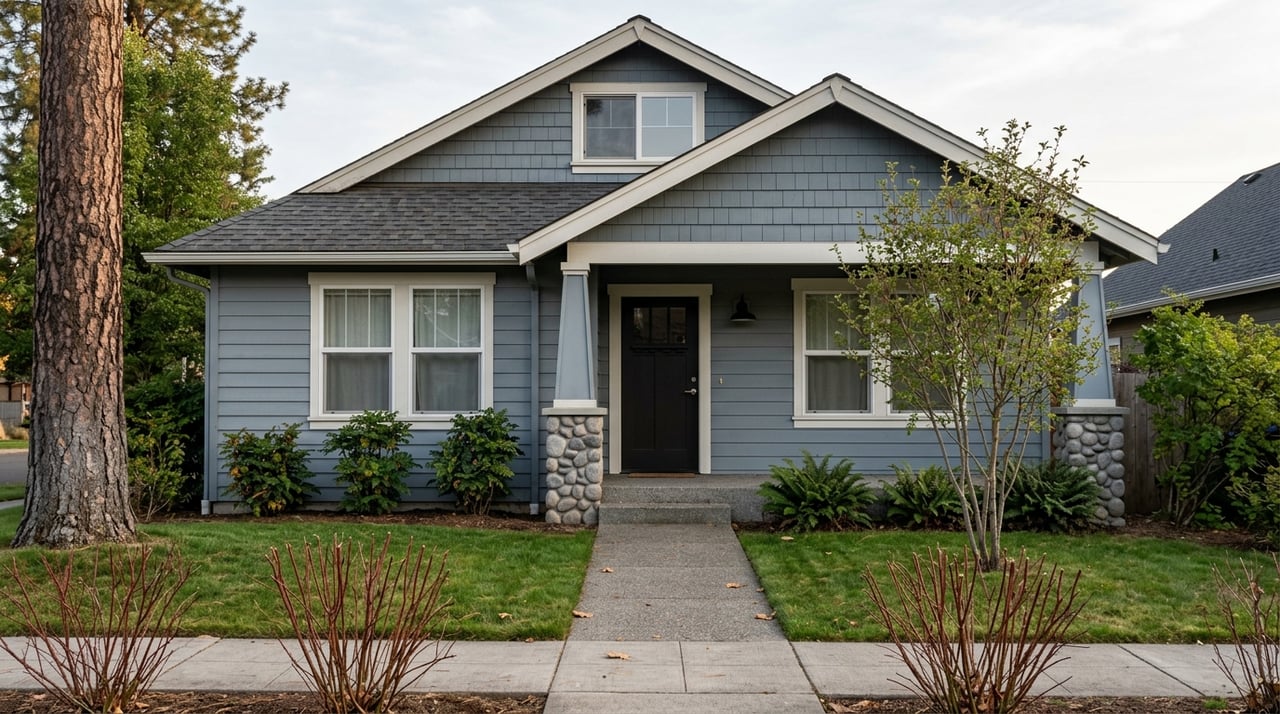
Buying your first home in Spokane can feel exciting one minute and overwhelming the next. You may be trying to balance budget, commute, home style, and day-to-day lifestyle all at once, especially in a market where prices can vary a lot by area. The good news is that Spokane gives you real options, from city-core living to park-focused neighborhoods to more traditional starter-home searches. This guide will help you narrow your search, understand local price ranges, and move forward with more confidence. Let’s dive in.
Spokane gives first-time buyers real choices
Spokane is not a one-price market. Spokane REALTORS' April 2026 dashboard reported a median closed price of $420,000, along with 1,238 total units of inventory and 993 new listings. For you as a first-time buyer, that matters because it means you may have enough active inventory to compare neighborhoods, home types, and commute tradeoffs instead of feeling locked into one narrow option.
At the same time, your budget can stretch differently depending on where you focus. Spokane REALTORS' January 2026 area report showed median close prices ranging from $290,500 in Area 340 and $330,000 in Area 330 to $632,500 in Area 342. These are MLS sub-areas, not official neighborhood boundaries, so they work best as broad budget guidance rather than exact neighborhood rankings.
Start with budget, not just vibes
It is easy to fall in love with a certain look or lifestyle before you know what fits your numbers. A better first step is to map your budget to likely search zones, then refine from there based on commute, maintenance, and amenities. That keeps your search realistic and helps you act faster when the right home appears.
Here is a simple way to think about Spokane price ranges based on the January 2026 area report:
| Budget approach | Spokane context |
|---|---|
| Lower-price search | Areas like 340 and 330 had median close prices of $290,500 and $330,000 |
| Midrange search | Areas like 341, 210, and 332 ranged from $385,000 to $415,000 |
| Upper-mid search | Areas like 331, 211, and 220 ranged from $450,000 to $526,445 |
| Higher-price urban pocket | Area 342 reported a median close price of $632,500 |
Those numbers should guide your search, not define it. The exact home you find will still depend on property type, size, lot, updates, and condition.
Neighborhoods to watch for starter-home potential
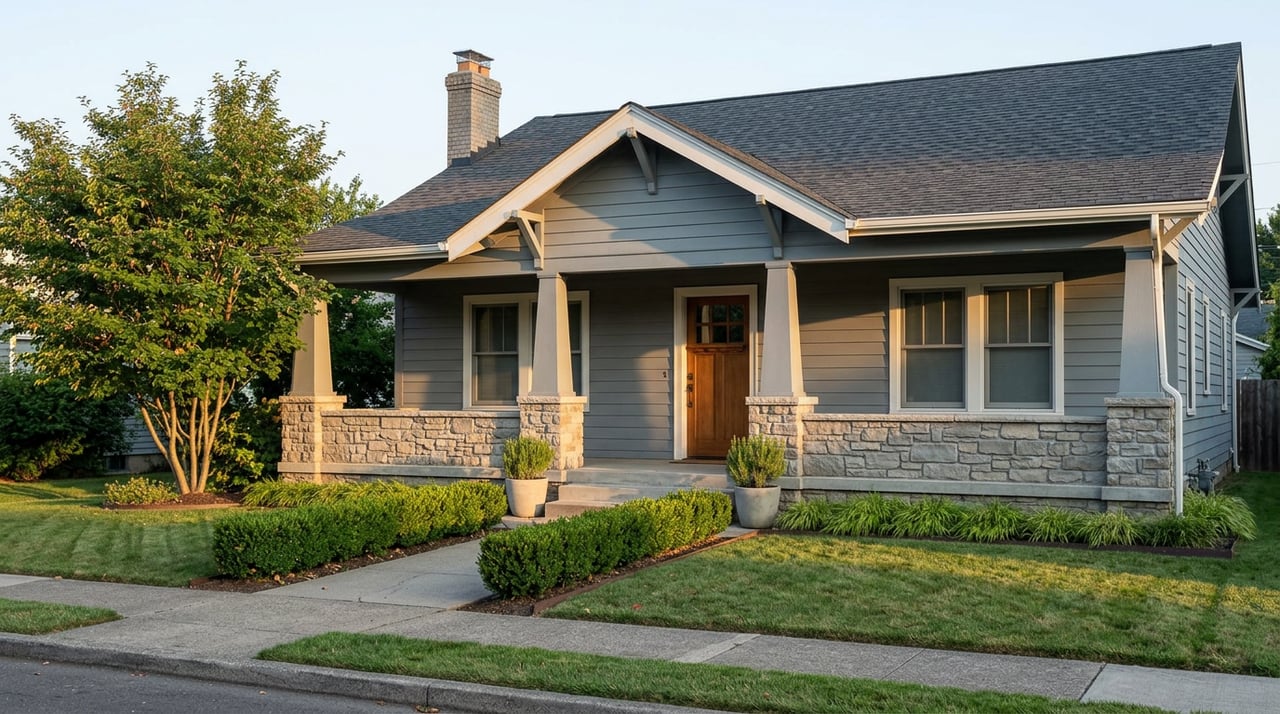
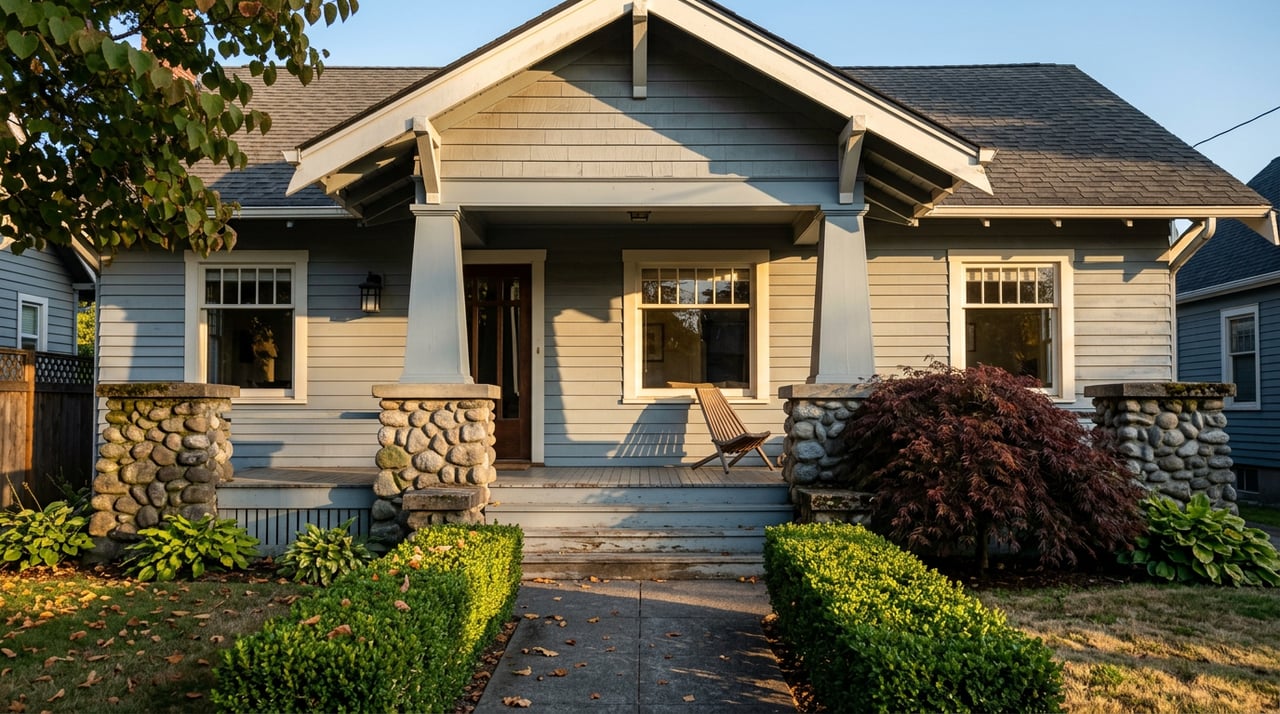
If your goal is a detached home at a lower or midrange price, a practical Spokane search often begins in neighborhoods like Bemiss, Chief Garry Park, Hillyard, Logan, Minnehaha, Nevada Heights, East Central, Emerson/Garfield, and parts of West Central or Southgate. That pattern comes from the city neighborhood map and the January 2026 MLS area medians, especially in lower-priced north and northwest urban areas and midrange south-side areas.
That does not mean every listing in these neighborhoods will be affordable or that every home there will fit a first-time buyer. It means these areas can be useful starting points if you want to cast a wide net for traditional starter-home options. A home-by-home approach is still important in Spokane because values can shift meaningfully from one block or property type to the next.
Best Spokane areas for low-maintenance living
If you want less yard work and easier commuting, condos, townhomes, or compact urban homes may make more sense than a larger detached property. Spokane Transit Authority routes can be a very practical filter when you are deciding where to focus. Transit access can support a simpler daily routine and open up more lifestyle flexibility.
STA's City Line runs about six miles from Browne's Addition through downtown and the University District to Spokane Community College. STA also serves neighborhood-oriented lines such as 23 Maple/Ash, 31 Minnehaha/Lidgerwood, 45 Perry District, and 223 Shadle/Indian Trail, and its Downtown/North Bank Shuttle runs every 20 minutes.
Because of that route network, Browne's Addition, West Central, downtown, Peaceful Valley, Riverside, and nearby core neighborhoods can make sense for buyers who want lower-maintenance housing and strong transit access. That is not a guarantee about specific inventory, but it is a smart way to narrow your search if convenience is high on your list.
Downtown Spokane needs a different approach
Downtown often attracts first-time buyers who want a shorter commute or a more urban routine. But downtown data should be handled carefully. In Spokane REALTORS' January 2026 report, Area 700 had only 4 active listings, 2 new listings, 1 pending sale, and 0 closed sales for the month.
That is a very thin sample, so one-month price data is not stable enough to use as a strong budgeting benchmark. If you are considering downtown, it is better to focus on lifestyle, property type, walkability, and commute patterns rather than anchoring your expectations to a single price statistic.
Choose by lifestyle, not just price
Your first home should support how you actually live. Spokane makes that easier because different parts of the city offer different day-to-day advantages, whether you care most about recreation, transit, or a more traditional neighborhood feel.
The City of Spokane recognizes 29 neighborhood councils across northeast, northwest, and south Spokane. If you are still learning the city, the official neighborhood council map and address search can help you understand where boundaries fall as you compare homes.
If you want parks and trails
Some buyers shop by recreation first. Riverfront Park is a 64-acre downtown park with Spokane Falls views, walking paths, Centennial Trail access, and year-round events. The Centennial Trail itself is a 60-mile paved trail, which makes the city core especially appealing if you want quick access to walking or biking routes.
On the South Hill, Manito Park offers 78 acres with five major garden areas and 20 acres of botanical gardens. If park-centered living matters to you, neighborhoods such as Cliff/Cannon, Comstock, Manito/Cannon Hill, Rockwood, Lincoln Heights, Southgate, and West Hills may deserve a closer look.
If you want a more central commute
If your schedule depends on access to downtown, the University District, or major transit routes, core neighborhoods can be a smart fit. Browne's Addition, Riverside, Peaceful Valley, West Central, and downtown-adjacent areas may be worth exploring when location efficiency matters more than lot size.
This kind of search can work especially well if you are open to condos, townhomes, or smaller homes. In many cases, the tradeoff is less private outdoor space in exchange for easier daily movement and lower maintenance.
If you want a classic starter-home search
If you picture a detached house with more traditional neighborhood spacing, your search may naturally move toward parts of northeast, northwest, or south Spokane. That is where broad starter-home hunting often begins, especially if you want to compare several homes in different price tiers.
This is where Stacey Leech’s organized, problem-solving approach can make a real difference. When you are comparing tradeoffs across Spokane, clear guidance helps you focus on the homes that fit both your budget and your lifestyle instead of chasing every new listing.
What to save before you buy
Many first-time buyers focus only on the down payment. In reality, your upfront cash needs usually include both down payment and closing costs. Building a full cash plan early can make your search more comfortable and reduce stress once you are under contract.
Fannie Mae's recent analysis found that the median closing costs net of credits were $5,939 for first-time buyers, or 2.20% of price. The same analysis found a median down payment of $18,750, or 5.08% of price. These are national figures, not Spokane-only numbers, but they are a useful reminder that your total out-of-pocket costs are likely higher than the down payment alone.
Spokane and Washington assistance options to know
If upfront cash is your biggest hurdle, Washington has programs worth reviewing. The Washington State Housing Finance Commission says Home Advantage is not limited to first-time buyers and can provide 3% to 5% deferred, 0% interest assistance for down payment and or closing costs. House Key is aimed at first-time buyers unless the home is in a targeted area, and it requires a Commission-sponsored homebuyer education seminar.
The City of Spokane also provides general homeownership-assistance guidance. Its fact sheet says eligible assistance may support acquisition only, acquisition and rehabilitation, or new construction, and may come as downpayment assistance, closing-cost assistance, deferred-payment loans, below-market loans, forgivable loans, or grants. Income and property-value limits apply, so these programs are best treated as possibilities to explore rather than guaranteed solutions.
A simple Spokane buying timeline
The buying process feels easier when you know what usually happens next. For most first-time buyers, the smartest move is to get financing lined up before serious touring starts. That helps you understand your budget, move faster when you find the right home, and show sellers that you are prepared.
A preapproval letter is often expected, and those letters typically expire in 30 to 60 days. Once you begin actively searching, a typical buyer may look at around 10 homes over 10 weeks. After an offer is accepted, the closing period commonly takes 30 to 60 days, often around 30 to 45 days.
Step 1: Get preapproved early
Preapproval gives you a clearer price range and helps shape your neighborhood search. It can also help you decide whether you should focus on lower-priced areas, midrange options, or homes that may need some cosmetic work.
Because preapprovals expire, timing matters. If you get one too early and then pause your search, you may need to refresh your paperwork before you write an offer.
Step 2: Tour with a clear filter
Once you know your budget, narrow your tours around your real priorities. Ask yourself whether you care most about price, property type, recreation access, transit, or commute efficiency. That will help you search smarter instead of wider.
In Spokane, this matters because city-core living, South Hill park access, and starter-home neighborhoods can lead to very different daily routines. The right fit is not just the cheapest option. It is the one that works for your life.
Step 3: Treat inspection as protection
After your offer is accepted, the inspection is an important safeguard. It is not just a box to check. It is your chance to better understand the home's condition before you move forward.
If your purchase contract is contingent on a satisfactory inspection, you can cancel without penalty if the results are not acceptable. Inspection often happens soon after offer acceptance, while appraisal and underwriting continue at the same time.
Step 4: Expect title and escrow in Washington
In Washington, title and escrow are normal parts of the transaction. The Washington Office of the Insurance Commissioner says title insurance protects this major purchase, and its consumer guide notes that escrow is set up when you buy a home.
That means closing is not just a lender event. Your lender, title company, and escrow officer typically coordinate final paperwork and money movement together, which is one reason strong transaction organization matters so much.
Step 5: Be ready for closing documents
Closing is the final legal step where the loan becomes final and ownership transfers. You must receive the Closing Disclosure at least three business days before closing. That gives you time to review key costs and ask questions before you sign.
For a first-time buyer, this final stretch can feel paperwork-heavy. A calm, responsive guide can help you stay organized and avoid last-minute surprises.
How to narrow Spokane neighborhoods faster
If you feel stuck between several areas, use a short list of practical filters. This can help you move from broad browsing to a focused search plan.
Ask yourself:
- Do you want a detached home, townhome, or condo?
- Is lower maintenance more important than extra yard space?
- Would transit access improve your daily routine?
- Do you want to live closer to parks or trails?
- Are you trying to stay near lower or midrange price bands?
- How much upfront cash do you want to use for down payment and closing costs?
When you answer these questions clearly, Spokane starts to feel more manageable. You are no longer searching the whole city. You are searching for the right fit.
If you want help turning all of this into a practical neighborhood strategy, Stacey Leech offers personalized guidance across the Spokane and Inland Northwest market with the kind of organized, hands-on support that can make your first purchase feel far less overwhelming.
FAQs
Which Spokane neighborhoods are often worth exploring for first-time homebuyers?
- Neighborhoods like Bemiss, Chief Garry Park, Hillyard, Logan, Minnehaha, Nevada Heights, East Central, Emerson/Garfield, and parts of West Central or Southgate can be practical starting points for a starter-home search, depending on the specific property and price.
Which Spokane neighborhoods may fit buyers who want transit access?
- Browne's Addition, West Central, downtown, Peaceful Valley, Riverside, and nearby core neighborhoods may be worth a closer look if you want lower-maintenance living and access to routes like the City Line or other Spokane Transit services.
How much cash should a Spokane first-time homebuyer plan to save?
- A useful rule of thumb is to plan for both down payment and closing costs, not just one or the other. National first-time-buyer figures cited here showed median closing costs of $5,939 and a median down payment of $18,750, though your actual numbers will vary.
How long does the Spokane homebuying process usually take?
- A practical timeline is roughly one to three months from active search to closing, depending on your loan, the property, and how quickly the transaction moves. After offer acceptance, closing often takes about 30 to 45 days, though 30 to 60 days is common.
What Spokane and Washington assistance programs should first-time buyers ask about?
- Washington State Housing Finance Commission programs like Home Advantage and House Key may help with down payment or closing costs, and the City of Spokane also outlines general homeownership assistance options that may include loans, grants, or other support if you meet program requirements.