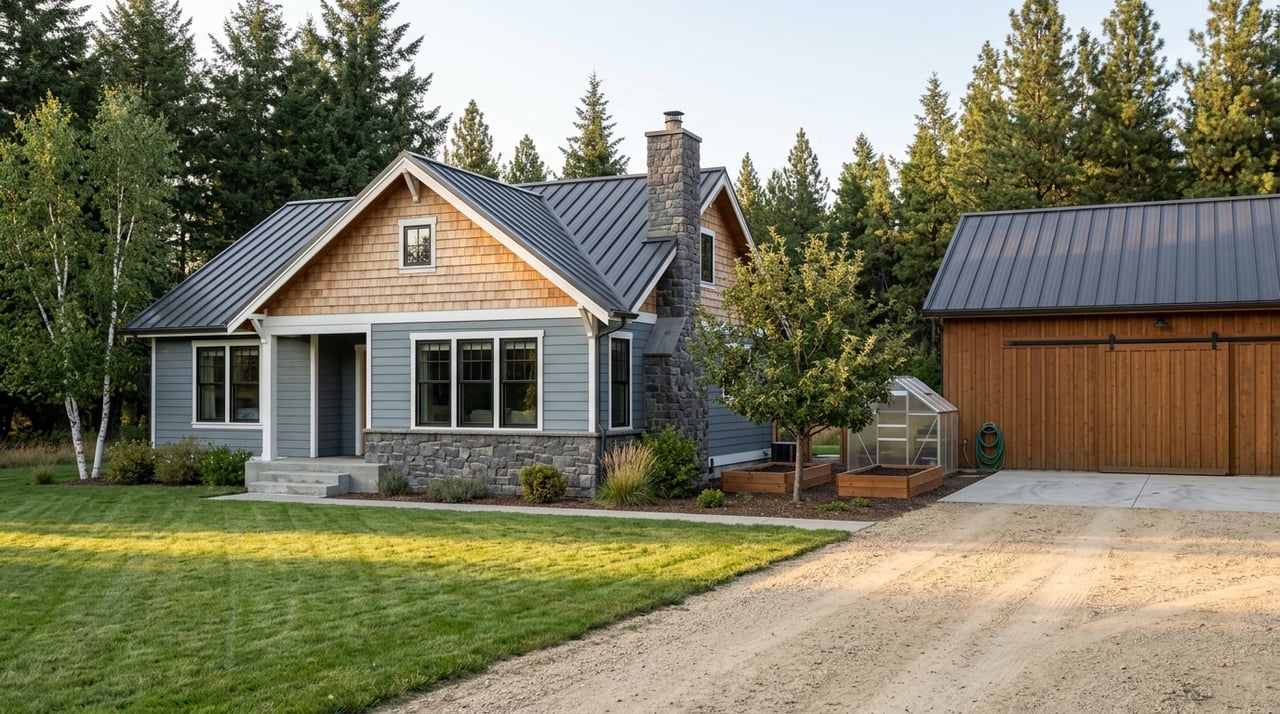
Dreaming about open space, a shop, a garden, or a few animals? Buying acreage or a hobby farm in North Idaho can be exciting, but it also comes with more moving parts than a typical in-town home purchase. If you want land that truly fits your plans, you need to look beyond the listing photos and ask the right questions early. Let’s dive in.
Start With Zoning First
When you buy acreage in Kootenai County, zoning is your first filter. It affects what you can do with the land, what size parcel is allowed, and whether your future plans are realistic.
The main acreage-oriented zones buyers often encounter are Rural, Agricultural, and Agricultural Suburban. County code generally requires 5-acre minimum parcels in the Rural and Agricultural zones, while Agricultural Suburban is generally 2 acres. In some areas over the Rathdrum Prairie Aquifer, Agricultural Suburban parcels can also be subject to a 5-acre minimum.
That matters because two properties with similar acreage can come with very different use rules. One parcel may support your plans for animals, storage buildings, or a shop, while another may have tighter limits based on zoning or overlays.
What the Agricultural Zone Allows
The Agricultural Zone is intended for land suitable for farming, forestry, aquaculture, and similar uses. On parcels of five acres or more, county code allows general farming and forestry, a dwelling, accessory buildings, non-commercial kennels, one accessory living unit, temporary RV use, and sales of agricultural products grown on the property.
If you are shopping for a hobby farm, this can be a strong starting point. Still, you should verify the exact parcel status before assuming a use is allowed.
What the Rural Zone Allows
The Rural Zone is intended for rural residential uses and uses related to agricultural pursuits. On parcels of five acres or more, county code allows general farming and forestry, a dwelling, accessory buildings, storage, home occupations, cottage industries, an accessory living unit, and temporary RV use.
This can be appealing if you want a mix of country living and practical flexibility. It may support the lifestyle you want, but you still need to confirm details such as lot size, legal access, and any additional county requirements.
Do Not Assume You Can Subdivide Later
A common mistake acreage buyers make is buying land with the idea of splitting it later. In Kootenai County, subdivisions are prohibited in the Agricultural Zone except for exempt divisions, and there is a separate family-division process for certain transfers to close relatives.
In other words, future subdivision potential should never be treated as a given. If that possibility matters to you, it should be researched before you make an offer.
Older Parcels May Be Different
Some older, smaller parcels may be treated as conforming parcels with limited allowed uses under county code. That means a parcel that looks undersized on paper may still carry legal rights that differ from a newer lot.
This is one reason rural property searches need careful review. A parcel’s history can matter almost as much as its acreage.
Utilities Matter as Much as Land Size
A beautiful five-acre property is not automatically ready for your plans. Well, septic, and road access often determine whether the land works the way you hope.
For many buyers, these practical details become the difference between dream property and expensive surprise. It is smart to evaluate them early, before emotion takes over.
Well and Water Questions
In Idaho, a drilling permit from the Idaho Department of Water Resources is required before drilling a well, and wells must be constructed by a licensed driller. Domestic wells do not need additional department approvals, but irrigation wells generally require approved water rights before they can move forward.
Private well owners are also responsible for maintaining the well and testing water safety. Idaho Health and Welfare notes that groundwater from private wells is not regulated by the state, which makes water quality testing a normal part of rural due diligence.
If a property already has a well, you will want to confirm its location and condition. If it does not, you need to understand what adding one may involve.
Septic and Site Evaluation
Septic systems are permitted and inspected by Idaho’s public health districts. Idaho DEQ advises buyers to consider a site evaluation before purchase because soil type, slope, nearby water bodies, and local regulations affect whether and how a system can be installed.
That is especially important if you are buying vacant land or planning future improvements. A large parcel can still have site limitations that affect the best place for a home, barn, drainfield, or garden.
Road Access and Emergency Access
Access is a core issue on rural property. Kootenai County code requires every residential lot to have access from a public or private road, and new private roads and driveways must meet current fire-code standards.
If a parcel has multiple access points, the county reviews the primary access point to help ensure emergency services can reach the property. Year-round access, driveway grade, and winter plowing are not small details on North Idaho acreage. They are part of everyday livability.
What Hobby Farm Buyers Should Check
If your goal is more than just extra elbow room, you need to evaluate how the land functions. Hobby farm properties are about usable land, not just total land.
Before you move forward, think about your day-to-day plans and whether the site supports them. That can save you time, money, and frustration later.
Buildings, Fencing, and Work Areas
Many acreage buyers want accessory buildings, storage space, fencing, animal areas, and room for equipment or work vehicles. Kootenai County code specifically contemplates accessory buildings, personal storage buildings, non-commercial kennels, and on-site agricultural product sales on qualifying five-acre parcels.
That said, you should still confirm what exists, what is permitted, and what may need approval. A barn, shop, or fenced pasture only adds value if it fits your intended use.
Livestock Rules Are Not One-Size-Fits-All
Livestock rules can vary depending on parcel size and parcel history. County code notes that livestock on older, smaller parcels is allowed only above a minimum lot-area threshold, and animal care plus waste management must comply with the rules of the agencies with jurisdiction.
If animals are part of your plan, ask specific questions early. It is better to verify than to assume.
Tax Benefits Are Not Automatic
Some buyers assume open land or a few animals automatically create an agricultural tax break. In Kootenai County, that is not how it works.
The county states that land must be actively devoted to a bona fide for-profit agricultural enterprise to qualify for agricultural exemption. Land used for horses or other animals kept primarily for personal use or pleasure does not qualify, and smaller parcels must meet annual income thresholds and file proof by April 15 to remain eligible.
North Idaho Lifestyle Tradeoffs
Buying acreage is also a lifestyle decision. The scenery and privacy can be incredible, but rural ownership comes with ongoing responsibilities.
Kootenai County’s planning materials note that residential development is moving closer to established agricultural and timber operations. That means you should expect normal rural-life tradeoffs such as farm noise, equipment traffic, dust, animal care, and seasonal work schedules.
Winter Conditions Are Part of Ownership
County hazard-mitigation materials describe Kootenai County as wetter and snowier than the U.S. average. Winter storm guidance also warns that storms can knock out heat, power, and communications services.
For acreage buyers, that makes winter access and preparedness part of the decision. You may want to think through snow removal, backup heat, and how the property functions during severe weather.
Wildfire Readiness Matters
Wildfire preparedness is another routine part of rural ownership in North Idaho. Kootenai County’s FireSmart program helps residents in Wildland Urban Interface areas create defensible space and fuel breaks.
Idaho emergency management also advises homeowners to clear flammable vegetation and plan for evacuation and emergency supplies. If you are buying wooded acreage, wildfire readiness should be part of your long-term property planning.
Aquifer Protection Affects Land Use
The Rathdrum Prairie Aquifer is the sole source of drinking water for most Kootenai County residents, and the county maintains an Aquifer Protection District to protect groundwater quality. This matters for septic placement, chemical storage, runoff, and long-term land stewardship.
In practical terms, a property’s location within an aquifer protection area may affect how you use and improve the land. It is worth confirming early if any overlay applies.
Questions To Ask Before You Offer
When you find a promising acreage property, slow down and review the fundamentals. A smart rural purchase starts with clear answers.
Ask questions like these:
- What is the parcel’s exact zoning?
- Does that zoning allow animals, a shop, an accessory living unit, or other uses you want?
- Is there a permitted well already in place?
- Is there a septic system, and is there a reserve drainfield area?
- Does the property have legal year-round road access?
- Can emergency services safely reach the home?
- Is the parcel inside the aquifer protection area or another overlay?
- Does the land qualify for agricultural assessment, or is it simply rural residential land?
- How do the driveway, drainage, and building areas function in winter and wet conditions?
These questions may not be the most glamorous part of the search, but they are often the most important.
Why Local Guidance Helps
Acreage and hobby farm purchases often involve more layers than a standard residential sale. Zoning, parcel history, water, septic, access, and seasonal maintenance all need to line up with your goals.
That is where organized, local guidance can make a real difference. If you are relocating, buying a second home, or trying to balance lifestyle goals with practical land-use questions, having a clear process helps you move forward with confidence.
Whether you are searching for open land near Coeur d’Alene or comparing hobby farm opportunities across Kootenai County, the right property should support both your vision and the day-to-day realities of rural ownership. When you are ready for thoughtful guidance on North Idaho acreage, connect with Stacey Leech.
FAQs
What zoning should you check when buying acreage in Kootenai County?
- You should confirm the property’s exact zoning first, since Rural, Agricultural, and Agricultural Suburban zones can have different parcel-size minimums and allowed uses.
What should you know about wells on North Idaho acreage?
- Idaho requires a drilling permit before a well is drilled, wells must be built by a licensed driller, and private well owners are responsible for maintenance and water testing.
What should you verify about septic on a hobby farm property?
- You should check whether a septic system is already in place and consider a site evaluation because soil, slope, nearby water, and local rules affect septic installation.
Can you automatically subdivide acreage in Kootenai County later?
- No, you should not assume that, because subdivisions are prohibited in the Agricultural Zone except for exempt divisions and some family transfers follow a separate process.
Do animals automatically qualify a property for agricultural tax treatment in Kootenai County?
- No, agricultural exemption is not automatic, and the land must be actively devoted to a bona fide for-profit agricultural enterprise to qualify.
What rural access issue matters most on North Idaho acreage?
- You should verify legal year-round road access and whether emergency services can safely reach the property, since access is a core part of rural usability.